Portable Oxygen Concentrator Prices in 2026

Price Disclaimer: All price ranges reflect publicly available MSRP data as of early 2026 and are provided for informational comparison only. Actual prices vary by retailer, promotional discounts, and date of purchase. Always verify current pricing directly with the supplier before making a decision.
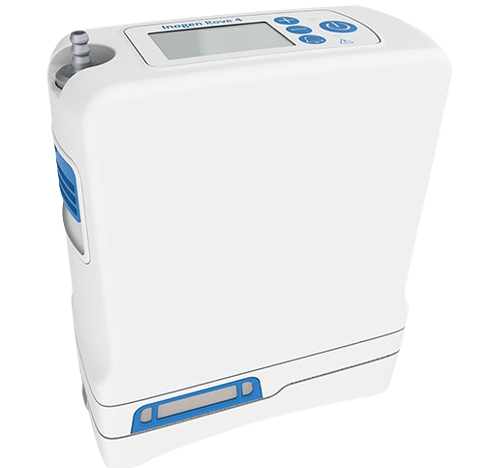
For those who have been prescribed supplemental oxygen and want to maintain a more social and active life, we recommend looking into a portable oxygen concentrator (POC). Unlike stationary home oxygen concentrators, POCs like the Inogen Rove 6 are designed to be lightweight, mobile, and discreet.
Portable oxygen concentrators are essential medical equipment, but the price of a new machine typically ranges between $1,500 and $4,500, depending on:
- The type of oxygen delivery
- Device weight and battery life
- If you’re buying a new or certified pre-owned device
- If you’re renting a device
- If Medicare, private insurance, or a Health Savings Account can help
Continue reading our guide to learn everything you need to know about portable oxygen concentrator costs and learn which device may be best for you.

Before Getting Started: Ask your doctor for your complete oxygen prescription (flow setting in liters per minute, pulse dose versus continuous flow, recommended overnight use, etc.). This will help you narrow down your options and avoid paying for unnecessary features.
Our Top Portable Oxygen Concentrators
- Best Overall: Inogen Rove 4
- Best for Continuous Flow: O2 Concepts Oxlife Liberty2 Portable Concentrator
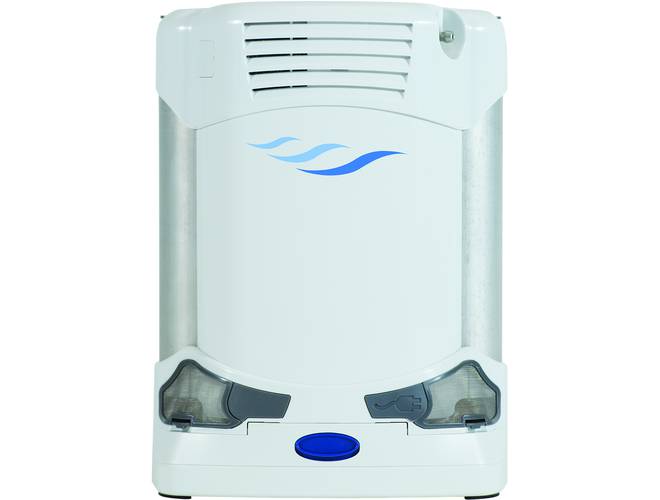
- Best Ergonomic Design: CAIRE FreeStyle Comfort
| Inogen Rove 4 | O2 Concepts Oxlife LIBERTY2 | CAIRE FreeStyle Comfort | |
|---|---|---|---|
| Price | From $2,795 | From $2,700 | From $2,600 |
| Weight with battery | 2.9 lbs | 8 lbs | 5-6 lbs |
| Average battery life | Up to 6 hours | Up to 4.5 hours | Up to 16 hours |
| Warranty | 3 years or lifetime | 3 years | 3 years |
| FAA Approved | Yes | Yes | Yes |
FYI: About 1.5 million adults in the U.S. use supplemental oxygen annually in an outpatient setting.1
2026 Portable Oxygen Concentrators Pricing at a Glance
The table below reflects publicly reported MSRP ranges as of early 2026.*
| Type | Average Price | Best For |
|---|---|---|
| Pulse dose (entry) | Starting at $1,500 | Lower prescribed flow settings |
| Pulse dose (mid-range) | Starting at $2,000 | Active daily users |
| Pulse dose (premium) | Starting at $2,800 | High-setting prescriptions |
| Continuous flow | Starting at $3,000 | Higher oxygen needs; overnight/CPAP use |
| Certified pre-owned | $1,000 – $2,000 | Budget-conscious buyers |
*Promotional and sale pricing is frequently available below these figures. Verify current prices directly with your preferred supplier.
If you come across a device under the industry average, be sure to give it a close look before buying. There are several low-cost units available online that may not be medical grade, not cleared by the FDA, and not safe for prescribed oxygen therapy.
We recommend confirming that the unit is FDA-cleared as a Class II medical device and that it has a current manufacturer's warranty. Medical-grade POCs will display a manufacturer’s label confirming FAA acceptance if they are travel-approved.
What Decides Portable Oxygen Concentrator Pricing?
These three factors typically account for the majority of cost differences across POC models:
Pulse Dose vs. Continuous Flow
Pulse dose concentrators are the most popular and are typically more affordable. They detect your breath and deliver a burst of oxygen only when you inhale. Because they’re not running continuously, they use less battery and can be made smaller and lighter.
Continuous flow concentrators deliver a steady stream of oxygen regardless of your breathing pattern, which is medically necessary for some patients. This is particularly the case for those using it overnight or with CPAP/BiPAP equipment. Because these need a more powerful compressor, continuous flow units are heavier, louder, and significantly more expensive.
Weight and Battery Life
If you are prioritizing lightness in your portable oxygen concentrator search, be prepared for a bigger price tag. The lightest, most premium POCs on the market weigh around two pounds, making it easier to carry and move.
Heavier units ranging from 4–6 pounds tend to offer longer battery life and higher flow settings, often at a lower per-feature cost. Most people seem to be fine with this trade-off — those with POCs are mobile 42 percent of the time when using battery power.2
For example, the Inogen Rove 4 weighs 2.9 pounds and has a battery life of up to six hours, whereas the Inogen Rove 6 weighs 4.8 pounds and has a battery life of up to almost 13 hours. Both start at $2,795.
FYI: To learn more about Inogen, read our guide to Inogen Portable Oxygen Concentrators.
Brand, Warranty, and Dealer Network
Established manufacturers like Inogen, CAIRE, and Invacare carry strong reputations and robust service networks.
Where you buy also matters: Authorized dealers often offer promotional pricing below MSRP and can include extended warranties or battery bundles not available through direct manufacturer sales.
New vs. Pre-Owned vs. Rental Portable Oxygen Concentrators
Buying New
For patients who plan to use their device daily for several years, buying new typically delivers the lowest total cost of ownership.
Pros: Purchasing a new unit provides the latest technology, a full manufacturer's warranty (typically three years), and the peace of mind that comes with buying a brand-new device.
Cons: More often than not, you will need to pay full price, so be sure to keep an eye out for promotions and sales.
Certified Pre-Owned
If going with the certified pre-owned route, we strongly recommend purchasing the unit from an authorized service center rather than a private seller.
Pros: You can generally save a lot of money by buying certified pre-owned units from reputable dealers, depending on model and condition.
Cons: When buying pre-owned, verify any recorded usage hours, confirm the unit is within its expected service life, and require a written warranty of at least one year.
Renting
This is a great option for short-term situations, like vacations. We don’t recommend this as a long-term option unless you’re getting the cost covered through Medicare (if prescribed by a doctor) or your insurance.
Pros: Renting makes the most financial sense when your oxygen need is temporary, when you’re traveling occasionally and already have a home concentrator, or when you want to try out a specific model before committing to a purchase.
Cons: For daily long-term users, the cumulative cost of weekly rentals nearly always exceeds the purchase price within a few months.
Can Medicare Cover Portable Oxygen Concentrator Costs?
Medicare Part B covers oxygen equipment as durable medical equipment (DME), but it does not pay for you to purchase a POC outright.
Instead, Medicare uses a 36-month capped rental structure: your supplier is paid monthly rental fees for the first 36 months, after which rental payments end. The supplier is then required to continue providing service, maintenance, and supplies for an additional 24 months — for a total obligation period of five years, as long as you continue to have a documented medical need for oxygen.
In 2026, the annual Medicare Part B deductible is $283. Once that deductible is met, Medicare pays approximately 80% of the approved rental amount, and you are responsible for the remaining 20% coinsurance. For most patients, this leaves a monthly out-of-pocket coinsurance cost in the range of $30–$80, depending on the specific approved rental amount in your area.
Keep in mind that Medicare does not cover the cost of purchasing a specific POC model of your choosing, nor does it cover oxygen costs associated with air travel.
Many patients who want a lightweight, travel-ready portable concentrator choose to purchase one out of pocket, while receiving a separate home oxygen system through Medicare. Patients with Medigap or Medicaid supplemental coverage may have their 20% coinsurance covered entirely.
FYI: To qualify for Medicare oxygen coverage, your doctor must document medical necessity through specific tests.
Private Insurance, HSA, and FSA Options for Portable Oxygen Concentrators
Private health insurance coverage for portable oxygen concentrators varies significantly by plan. Many plans follow Medicare’s lead and cover oxygen therapy as a medically necessary DME benefit, typically at 50% to 100% of the approved cost after your deductible. Always try to work with an in-network supplier to avoid unexpected out-of-network charges.
If you are purchasing a portable oxygen concentrator out of pocket, POCs prescribed by a physician are generally eligible for payment through a Health Savings Account (HSA) or Flexible Spending Account (FSA). This could potentially save you the applicable income tax rate on the full purchase price.
Check with your plan administrator to confirm eligibility and any documentation requirements before making a purchase.
Additional Costs to Look out For
Before committing to a device, be sure to keep these additional costs in mind:
- Carrying accessories
- Replacement batteries: Typically $200–$600 each
- Sieve bed replacements: Typically $300–$500 each
- Nasal cannulas: Typically $5–$15 each (daily users should replace every few weeks)
- Extended warranties: Usually an additional $100–$300
How to Get the Best Price
- Start with your insurance: Confirm that a POC qualifies as a covered DME benefit under your insurance plan. If it does, your net out-of-pocket cost could be dramatically lower than the retail price.
- Compare authorized dealers: Prices for the same model can vary drastically between retailers, so be sure to consider your options.
- Ask about trade-in programs: Some suppliers may offer credit toward a new purchase when you upgrade from an older unit.
- Look out for promotions: Retailers and authorized dealers may offer promotions that can help lower the cost by a few hundred dollars.
- Consider certified pre-owned: Certified pre-owned is a great, cost-effective option — just be sure to work with an authorized dealer that can provide information about the unit’s history!
Our Methodology
Our goal for evaluating POC prices is to help readers understand how much portable oxygen concentrators cost and why prices vary between models.
The Senior List editorial team reviewed publicly available manufacturer pricing, authorized dealer listings, Medicare guidance, and clinical research on oxygen therapy and portable oxygen concentrator use.
We compared devices across several factors that directly affect price and long-term value, and only included pricing information from manufacturers and authorized retailers. All pricing reflects publicly available MSRP ranges and promotional pricing. This may vary by retailer and region.
Our editorial team also reviewed current Medicare Part B oxygen equipment rules, consulted peer-reviewed medical literature, and interviewed a healthcare expert to ensure our coverage reflects both clinical considerations and real-world patient needs.
We also considered practical ownership costs beyond the initial purchase price (replacement batteries, maintenance, accessories, warranty options, etc.), so readers can better estimate the true long-term cost of owning a portable oxygen concentrator.
Bottom Line
If you need a respiratory device, a portable oxygen concentrator can help you stay safe without sacrificing mobility or your social life. Most new POCs will fall into the $1,500–$4,500 range, depending on if it’s a pulse dose or continuous flow model, how light it is, how long its battery lasts, its brand, and its warranty.
Whether you decide to buy new, certified pre-owned, or rent a portable oxygen concentrator, be sure to check if your insurance can cover any costs and that you are only buying from authorized retailers.
Frequently Asked Questions
-
How much does a portable oxygen concentrator cost in 2026?
New POCs in 2026 generally range from $1,500–$4,500. This depends on delivery type, weight, and features. Pulse dose models are typically less expensive than continuous flow units. Certified pre-owned units from reputable dealers can start around $1,000.
-
Will Medicare cover a portable oxygen concentrator?
No — Medicare Part B covers oxygen therapy through a rental model only, paying approximately 80 percent of the approved monthly rental cost after your $283 annual deductible.
-
Is a cheaper portable oxygen concentrator safe to use?
Any POC used for prescribed oxygen therapy must be FDA-cleared as a Class II medical device — many low-cost units sold on general retail marketplaces are not medical-grade and should not be used in place of prescribed therapy. Always confirm FDA clearance and a manufacturer’s warranty before purchasing.
-
Can I use an HSA or FSA to pay for a portable oxygen concentrator?
Yes — POCs prescribed by a physician are generally HSA- and FSA-eligible, which can reduce your effective out-of-pocket cost by your marginal tax rate. Confirm eligibility and any required documentation with your HSA or FSA administrator before purchasing.
-
How long does a portable oxygen concentrator last?
With regular maintenance and proper care, most POCs have an expected service life of four to seven years. Battery replacement and periodic sieve bed servicing are the main maintenance items that affect the overall lifespan of the device.