ZipHearing Review: 2026 Ratings and Pricing

By partnering with an extensive network of audiologists, ZipHearing provides in-person hearing health care while minimizing the high costs of hearing aids. According to the National Institute on Deafness and Other Communication Disorders, approximately 28 million U.S. adults could benefit from hearing aids, yet the high cost of traditional audiology clinics puts them out of reach for many.1
ZipHearing aims to close that gap by negotiating lower prices through its provider network. Its prices are not as low as over-the-counter hearing aid brands, but ZipHearing offers a solid customer experience that will likely cost less than going directly to your local hearing health center.
Pro Tip: To learn more about our favorite hearing aid brands, read our guide to this year’s top-rated hearing aids.
ZipHearing Pros and Cons
Pros
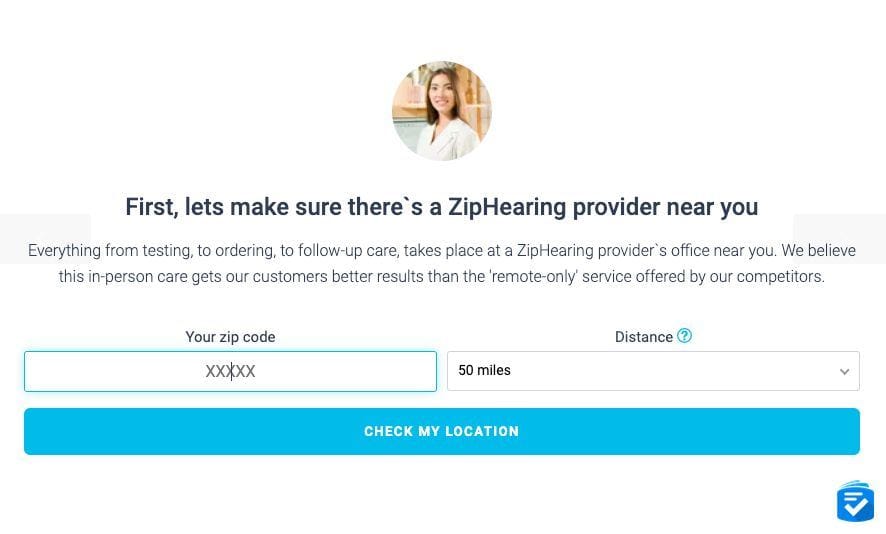
- In-person assistance: ZipHearing has partnered with over 600 audiologists, so most Americans will have an in-person provider within nine miles. Many other hearing aid brands offer only telehealth services.
- More than a money-back guarantee: In addition to its 45-day trial, ZipHearing offers free tune-up appointments for the entire subsequent year. Also, it caps the cost of further visits at $50 per visit.
- Accessories included: ZipHearing includes supplies such as domes, wax fillers, and batteries. Plus, models with rechargeable batteries come with a charger.
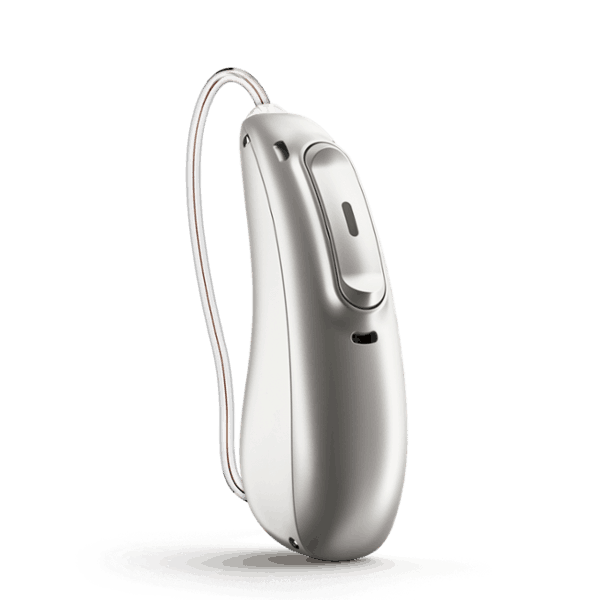
- Big brand devices: ZipHearing offers devices from the most widely known hearing aid brands, including Phonak, Signia, and Oticon.
Cons
- Higher prices: ZipHearing often costs less than the traditional hearing aid purchasing process, but there are still far cheaper hearing aid brands.
- Insurance not accepted: If you rely on your insurance to cut costs on hearing health, be aware that ZipHearing does not accept insurance or Medicare Advantage plans.
Did You Know: One study found that 80 percent of adults who would benefit from a hearing aid do not use them. The same study cited comfort, maintenance, and financial constraints as top barriers preventing adults from using them.2
How ZipHearing Works
The process of working with ZipHearing is straightforward. You call the company's main line and provide the contact information for your preferred local provider. One of ZipHearing's 600-plus approved audiologists will walk you through your options before you decide whether to order.
If you choose to move forward, ZipHearing will program your new hearing aids to match your custom hearing profile. You'll have 45 days to decide if you're satisfied. During that window, follow-up appointments are free, and ZipHearing continues to cover appointments at no charge for the entire first year. After that, visits are capped at $50.

Which Hearing Aids Does ZipHearing Sell?
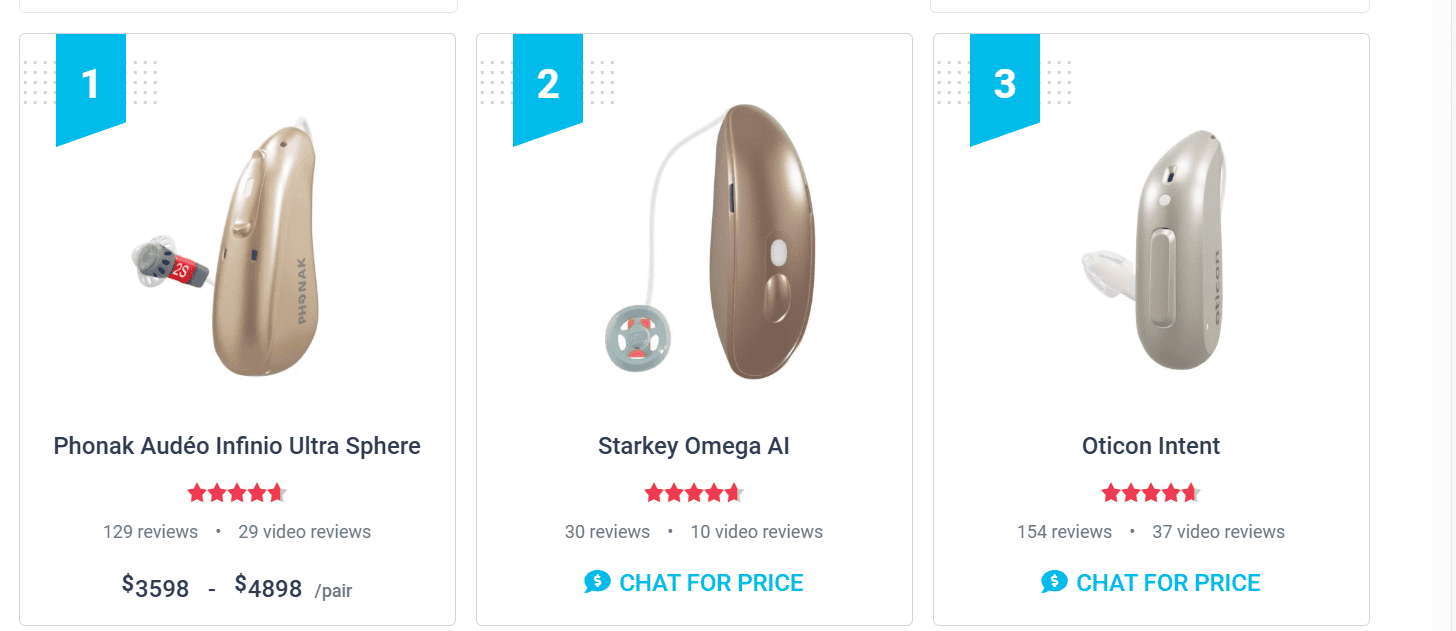
ZipHearing offers a variety of quality brands and styles, including Phonak, Oticon, Signia, Starkey, Widex, and ReSound. These partnerships allow ZipHearing to offer Bluetooth connectivity, rechargeable batteries, and invisible styles across its lineup.
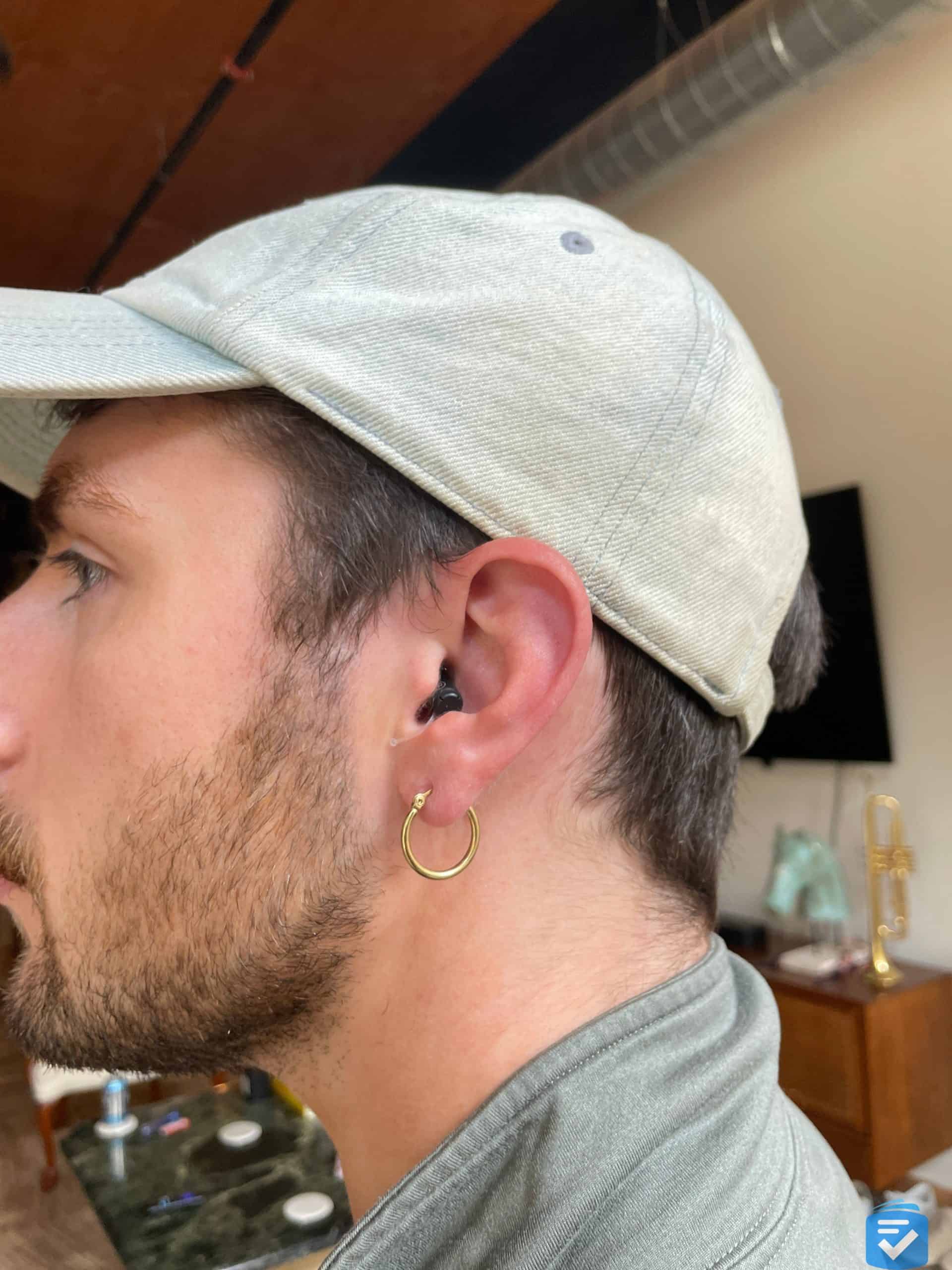
The highest-rated model is the Starkey Omega AI, which uses AI-based analysis to make over 50 million automatic adjustments per hour. It's a strong pick for tech-savvy seniors or those with complex hearing needs. Shoppers looking for rechargeable hearing aids will find several options across brands, while those prioritizing discreet wear should explore ZipHearing's invisible-in-canal (IIC) and completely-in-canal (CIC) models.
Tip: If you primarily use an iPhone, look for Starkey and Widex models through ZipHearing, as both brands offer strong hearing aids for iPhone users. Android users should check out Phonak on the platform for its Android compatibility.
ZipHearing Costs
The average cost of hearing aids is between $2,000 and $7,000.3 ZipHearing offers rechargeable, invisible, and Bluetooth styles starting as low as $999, though its average cost is around $4,500 — placing it at the lower end of the national average.
ZipHearing does not accept insurance, though it can provide paperwork for reimbursement if your plan has out-of-network benefits.
ZipHearing's 45-day money-back guarantee gives you time to decide whether the aids are right for you. All follow-up appointments are free during the trial and throughout the first year. After year one, appointments are capped at $50. A three-year warranty covering loss or damage is available, subject to a $350 deductible.
ZipHearing vs. the Competition
ZipHearing occupies a specific niche: it's more affordable than traditional audiology clinics but pricier than most OTC brands. Here's how it compares to three alternatives.
ZipHearing vs. Yes Hearing
Yes Hearing operates on a similar model to ZipHearing, connecting customers with local audiologists rather than selling directly. Yes Hearing's pricing is comparable, but ZipHearing has a larger provider network (over 600 audiologists versus Yes Hearing's smaller footprint), which makes it a stronger choice for seniors in rural or suburban areas. Yes Hearing does accept some insurance plans, which gives it an edge for customers with hearing benefits through their insurer.
ZipHearing vs. MDHearing
MDHearing is a direct-to-consumer OTC brand with significantly lower price points, starting around $300 per pair. Unlike ZipHearing, MDHearing does not pair you with a local audiologist, so it's a better fit for seniors with mild-to-moderate hearing loss who are comfortable self-fitting and adjusting their devices. ZipHearing's professional fitting and follow-up care make it the stronger option for those with more significant hearing loss or who want hands-on support.
ZipHearing vs. Jabra Enhance
Jabra Enhance is a strong OTC competitor with a well-regarded app and an optional remote care plan. Its pricing is lower than ZipHearing's, with pairs starting around $1,195. However, Jabra Enhance focuses on a telehealth-based support model rather than in-person care.
For seniors who prefer face-to-face appointments and value having an audiologist in their corner, ZipHearing is the better choice. For tech-comfortable seniors with mild-to-moderate loss who want an affordable, app-driven experience, Jabra Enhance is worth considering.
Bottom Line
ZipHearing offers a straightforward way to get hearing aids at a reasonable cost. It doesn’t offer the lowest prices overall, but it focuses on transparency, quality, and customer service.
The company’s literature emphasizes its grounded, “straight-shooter” attitude while remaining informative and detailed. If you’re looking for a service that will guide you through the process at every step with a no-nonsense approach, ZipHearing may be right for you.
If you’re looking for a pair of hearing aids, read our guide to the best hearing aids.
Methodology
To evaluate ZipHearing, our team researched the company's provider network, pricing structure, device offerings, warranty terms, and customer service policies. We compared ZipHearing's pricing against both traditional audiology clinic costs and competing hearing aid brands, including OTC and direct-to-consumer options.
We also assessed the strength of its trial period, follow-up care policies, and the breadth of hearing aid brands available through its network. Our evaluation criteria included affordability, access to professional care, device variety, transparency of terms, and overall value relative to comparable services. We weighted in-person care access and post-purchase support heavily, as these are priorities for many older adults navigating hearing loss for the first time.
ZipHearing Frequently Asked Questions
-
Does ZipHearing take insurance?
ZipHearing does not take insurance. But, it is able to provide paperwork for reimbursement if your insurance has out-of-network benefits. Speak with an insurance representative if you’re unsure whether your policy offers benefits.
-
Does ZipHearing offer the cheapest hearing aids?
No. ZipHearing’s prices, however, are at the lower end of the national average cost.
-
Does ZipHearing have in-person stores?
No. Rather than having its own locations, ZipHearing partners with over 600 audiologists to make sure you have care on a local level.
-
What hearing aid styles does ZipHearing offer?
ZipHearing offers a range of styles to suit different needs and preferences, including invisible-in-canal (IIC), completely-in-canal (CIC), and rechargeable models. If discretion is a priority, explore our guide to the best invisible hearing aids.
-
Is ZipHearing a good option for severe hearing loss?
ZipHearing can be a strong choice for those with significant hearing loss because it connects you with a licensed audiologist who can properly fit and program your devices. Unlike OTC hearing aids, which are designed for mild-to-moderate loss, ZipHearing’s prescription devices and professional follow-up care make it better suited for people whose hearing loss requires more precise calibration.