Widex vs ReSound Hearing Aid Comparison



|

|
|
|---|---|---|
| Editor's Ratings | ||
| Price Range | $2,798-$4,198 | $1,500–$3,500 |
| Purchased | Through a hearing health-care provider | Through a hearing health-care provider |
| Fitting Required | Yes | Yes |
| Tinnitus Masking | Yes | Yes |
| Solutions for Severe to Profound Hearing Loss | Yes | Yes |
| Smartphone App | Yes | Yes |
| Bluetooth Connectivity | Yes | Yes |
| FDA Approved | Yes | Yes |
| Trial Period | Varies by retailer(usually 30–60 days) | Varies by retailer (usually 30–60 days) |
| Warranty | 2-3 Years | 1-3 Years |
| Contact | ||
| Website |
*We recommend calling because representatives can sometimes offer special deals or pricing. We make every effort to provide and maintain accurate information on our site. However, the businesses reviewed on our site may periodically change their pricing, equipment, and packages and there may be a lag between the time they make such changes and the time we become aware of such changes. If you identify any outdated or inaccurate information, please contact us here.
When it comes to hearing loss, there are a variety of quality hearing aid brands that can address your issues. Widex and ReSound are two of the more popular companies, with each of them offering a wide range of feature-filled devices. In this rundown, we’ll take a closer look at what they offer and how they stack up.
Widex
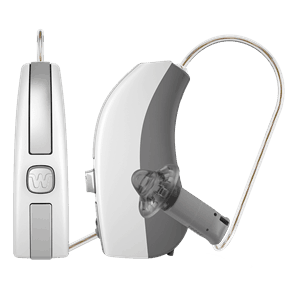
Known for bright, high-quality sound performance, Widex creates hearing aids in a variety of styles that can be used in any setting, from the outdoors to crowded restaurants. This company is one of the world's largest hearing aid manufacturers, and their most recent platform, Widex Allure, delivers an impressive balance of clear speech and accurate environmental sounds.
ReSound
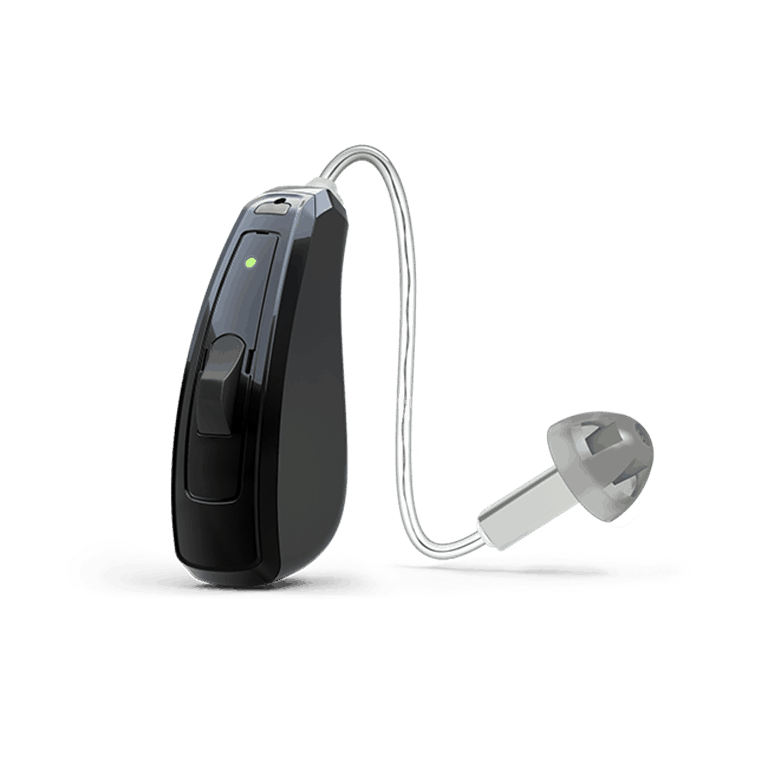
Since 1943, ReSound has created hearing aids that merge durability with advanced audio technology. Their devices come in a wide variety of styles and technology levels, and they can be purchased from authorized dealers in-person. They have recently introduced ReSound Vivia, a platform designed for use in noisy environments, which leverages Bluetooth LE Audio for improved streaming.
Widex and ReSound Similarities
In terms of their hearing aids, Widex and ReSound offer similar options. Each of them offers hearing aids in a variety of styles and technology levels. Both Widex and ReSound also offer solutions for those with severe to profound hearing loss, as well as devices that connect to smartphones, and optional tinnitus therapies. The features will all depend on the specific model you choose and how much you’re willing to pay.
Widex Features
With Widex, our favorite model has to be their new Allure line of hearing aids. With traditional hearing aids, there’s an artificiality to the sound. This is caused by a delay between the actual sound and an aid’s ability to process and amplify it. Allure hearing aids cut down on this time difference, delivering an impressively natural sound experience. These hearing aids can come in several styles, and they also come standard with rechargeable batteries.
ReSound Features
One of the first companies to build hearing aids with iPhone compatibility, ReSound is known for an impressive array of smartphone features. Their ReSound Vivia models are Auracast-ready, meaning you can tune into public broadcasts in places like airports or theaters directly through your hearing aids. Using your smartphone, you can manually adjust the sound settings on your hearing aids, in addition to streaming audio directly from your phone. Additionally, ReSound's most advanced hearing aids feature their Spatial Sense Technology. This allows wearers to not only hear noises better but also place those noises in space, much like natural hearing with one's ears.
Pricing and Purchasing
Neither ReSound nor Widex sells directly to consumers; instead, they sell their devices through third-party retailers.
Generally speaking, ReSound hearing aids will run you between $1,500 and $3,500 per aid, and Widex will run from $2,798 to $4,198. Typically, the cost will mostly be determined by the level of features you wish to have in your hearing aids.
Returns and Warranties
Both Widex and ReSound exclusively sell their hearing aids through third-party retailers. Because of this, the exact return and warranty specifications will vary to some degree.
With that said, Widex authorized dealers will generally provide a warranty of two to three years, whereas ReSound dealers will offer a one-to-three-year warranty.
Our Favorite
ReSound may offer hearing aids at a slightly lower price point; however, in terms of features and performance, both ReSound and Widex offer stellar devices that will last you for years.
I’d recommend ReSound to the user looking for digital connectivity, as their hearing aids have a variety of app-compatible functions, both for iOS and Android devices. Widex, on the other hand, has slightly more advanced hearing features. Their tinnitus therapies are particularly impressive.
With all that said, the first step to buying a hearing aid from one of these providers will be to visit your local hearing healthcare professional. They'll be able to administer a hearing test and suggest a range of devices to suit your needs.
Frequently Asked Questions
-
What is the main difference between Widex and ReSound hearing aids?
Widex excels in natural sound quality by minimizing artificial delay, while ReSound leads in smartphone connectivity and app features. ReSound pioneered iPhone-compatible hearing aids and offers extensive digital control, including Auracast for public broadcasts.
-
How much do Widex and ReSound hearing aids cost?
ReSound hearing aids typically range from $1,500 to $3,500 per aid, while Widex devices cost between $2,798 and $4,198 per aid. The final price depends on the technology level and features you select. Both brands sell exclusively through third-party retailers and authorized hearing healthcare providers, so pricing may vary by location.
-
Do Widex and ReSound hearing aids work with smartphones?
Yes, both Widex and ReSound offer Bluetooth connectivity and smartphone apps. However, ReSound has a particularly strong reputation in this area, offering extensive app-based controls that let you adjust sound settings and stream audio directly from your phone. ReSound’s newer Vivia models are even Auracast-ready, allowing you to connect to public audio systems in venues like airports and theaters.
-
Which brand is better for severe hearing loss?
Both Widex and ReSound offer solutions for severe to profound hearing loss. They each provide a variety of styles and technology levels designed to address different degrees of hearing impairment. The best choice for your specific situation will depend on your individual hearing test results and lifestyle needs, which a hearing healthcare professional can help determine.
-
What kind of warranty do Widex and ReSound hearing aids come with?
Since both brands sell through third-party retailers, warranty terms vary by dealer. Widex authorized dealers generally provide warranties of two to three years, while ReSound dealers typically offer one to three years of coverage. Most retailers also provide a trial period of 30 to 60 days, allowing you to test the hearing aids before fully committing to your purchase.