The Best Android Phones for Seniors in 2026


While iPhones dominate headlines, Android phones offer compelling advantages for seniors: robust accessibility features, high-quality cameras, and budget-friendly options. With older adults increasingly adopting wireless technology1, choosing the right Android device can provide independence and connection without breaking the bank.
Our team spent three months testing Android phones specifically for senior users, evaluating everything from button size to emergency features. We found five standout options that balance simplicity, affordability, and functionality.
If you’re looking to save money on a new phone or plan, check out our guide to senior discounts on phones.
Our Favorite Android Phones for Seniors
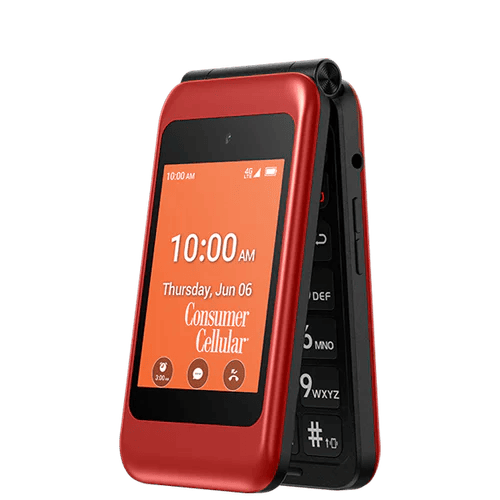
- IRIS Easy Flip : Best Budget Option
- Samsung Galaxy A16 5G : Best Smartphone
- Jitterbug Smart4 : Advanced Safety Features
- Moto G 2026 : Best 5G Option
- Google Pixel 10a : Best AI Features
How We Chose the Best Android Phones for Seniors
When choosing the best Android phones for seniors, here’s what we looked for.
- Cost: We prioritized phones under $400, though we included the Pixel 10a for its advanced features worth the premium.
- Camera quality: We tested each camera in various lighting conditions, looking for devices that could replace traditional digital cameras.
- Battery life: Each phone needed to last a full day of typical use without charging.
- Hearing aid compatibility: We verified M3/T3 or M4/T4 ratings for users with hearing aids
- Affordable data plans: We only included phones compatible with budget-friendly carriers that avoid overage charges.
>> Read more: The Best Cell Phone Plans for Seniors
Android Phones for Seniors Compared
|
IRIS Easy Flip
 |
Samsung Galaxy A16 5G
 |
Jitterbug Smart4
 |
Moto G 2026
 |
Google Pixel 10a
 |
|
|---|---|---|---|---|---|
| Rating out of 5 | 4.8 | 4.4 | 4.7 | 4.3 | 4.2 |
| Price | $59 |
$169 |
$119.99 |
$0 – $199 |
$519.99 |
| Screen size (inches) | 2.8 dual |
6.7 |
6.7 |
6.7 |
6.3 |
| Camera quality | 5 MP |
50 MP |
13 MP |
50 MP |
48 MP |
| Battery life | 7 hours talk |
48 hours talk |
12 hours talk |
48 hours talk |
31 hours talk |
| Hearing aid compatibility rating | M4/T4 |
M3/T3 |
M3/T4 |
M3/T3 |
M3/T4 |
| Read More | Jitterbug Smart4 Review |
1. IRIS Easy Flip - Best Budget Option
What We Like Most:
- $59 price tag
- Monthly costs start at $20
- M4/T4 hearing aid compatible
- Simple flip phone
Overview
Device cost: $59 from Consumer Cellular
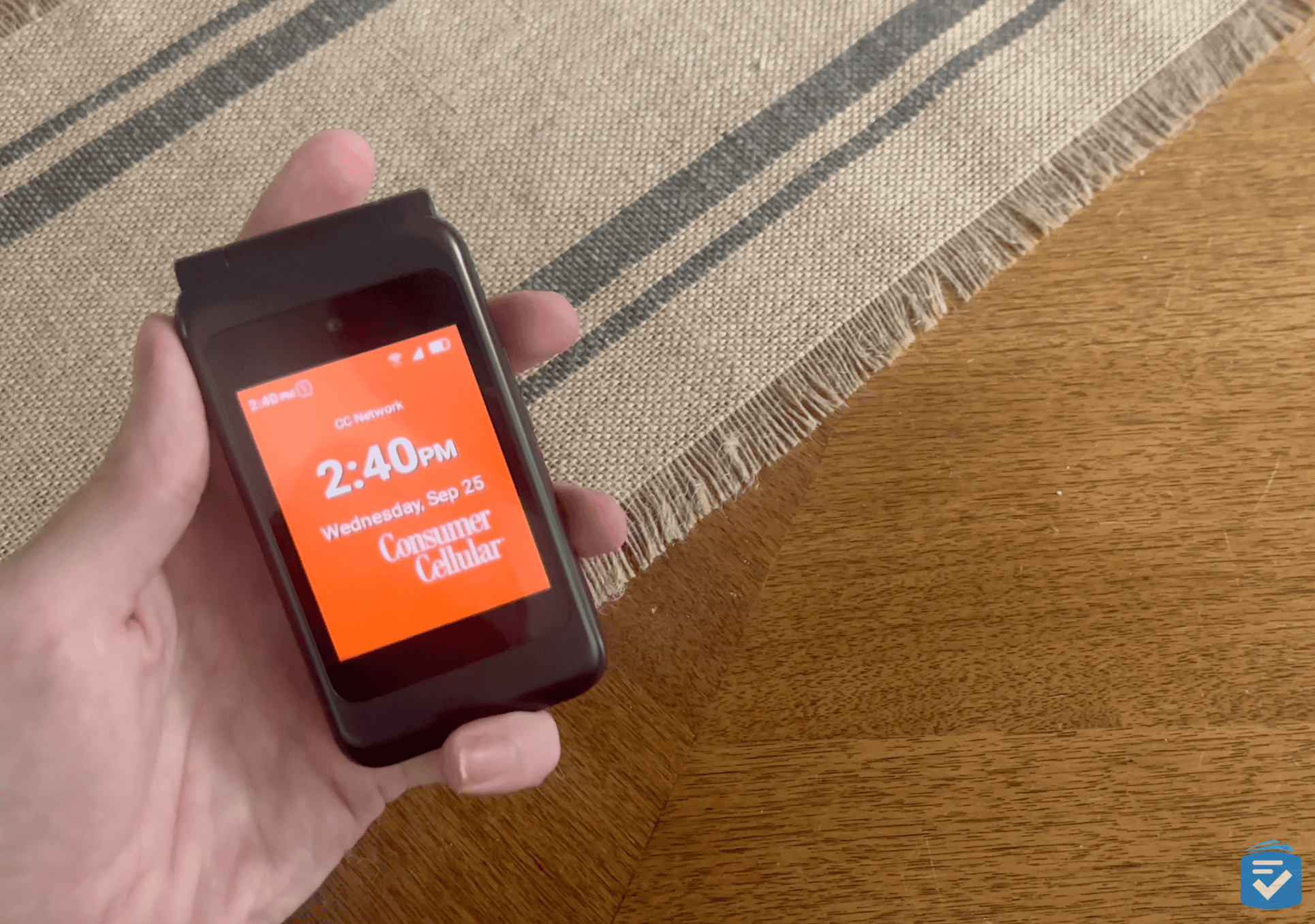
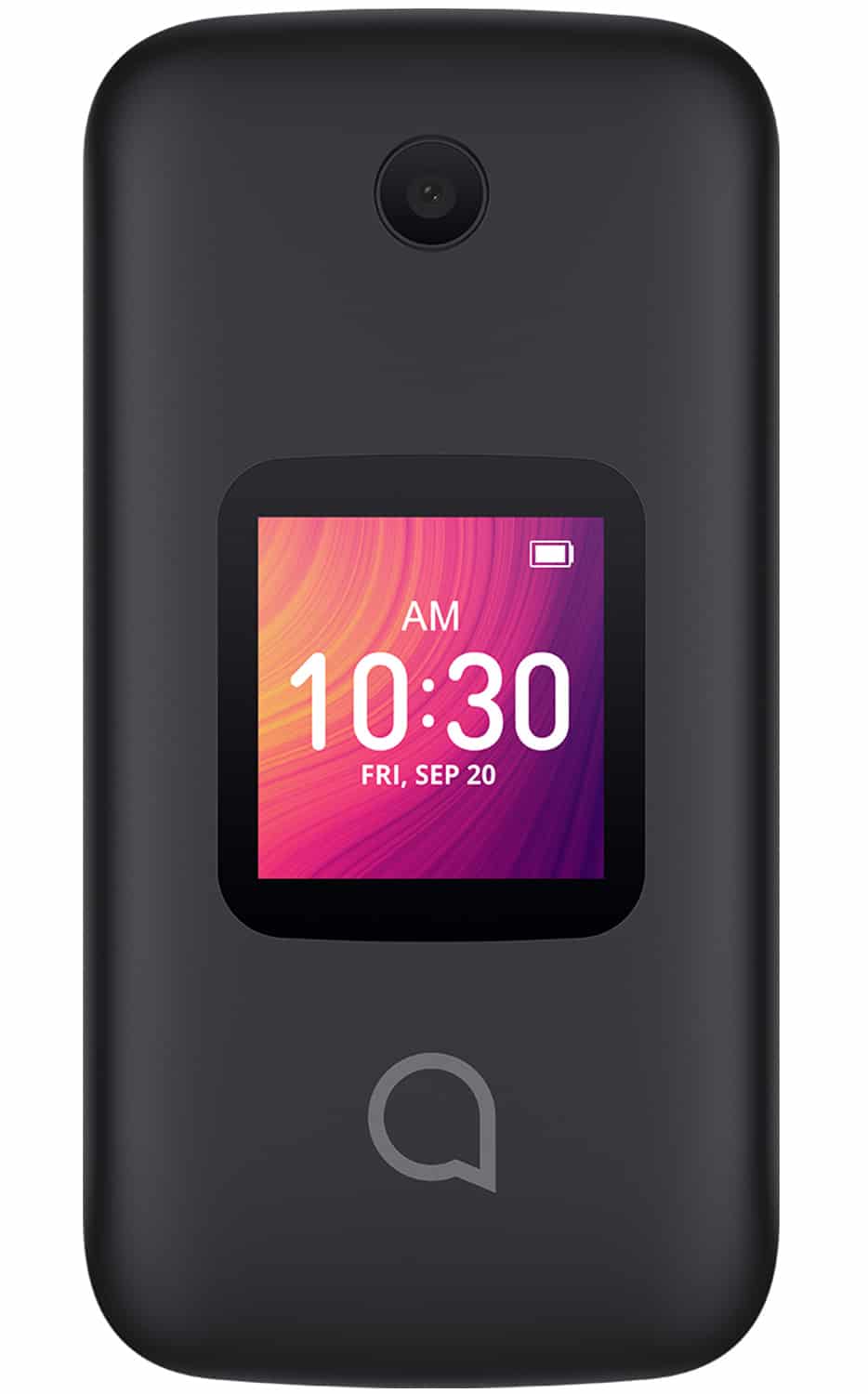
During our tests, the IRIS Easy Flip proved surprisingly capable for its price. We used it daily for calls, texts, and basic web browsing without needing to charge until bedtime. The flip design felt familiar yet surprisingly sturdy, holding up to repeated drops with no damage.
The dual 2.8-inch screens display large, readable text. We particularly appreciated the dedicated camera button, which made taking quick photos effortless during our grocery store visits.
>> Read more: Consumer Cellular Reviews
Standout Features
Simple interface: The home screen layout made essential tasks—calling, texting, taking photos—immediately accessible. Our 78-year-old test volunteer mastered basic functions within minutes.
Unbeatable price: At $59, it costs far less than the Google Pixel 10a while handling essential communication needs.
Excellent hearing aid compatibility: The M4/T4 rating means clearer calls for hearing aid users, the highest compatibility rating in our test group.
Consumer Cellular Plans
| Data (GB) | 1 | 5 | 10 | Unlimited |
|---|---|---|---|---|
| Monthly cost | $20 | $25 | $35 | $50 |
| Unlimited talk and text | Yes | Yes | Yes | Yes |
| 5G access | Yes | Yes | Yes | Yes |
Drawbacks
The 5 MP cameras produced noticeably grainy photos compared to the Samsung Galaxy A16’s crisp 50 MP shots. Portrait photos looked washed out, and low-light performance was poor. For users prioritizing photo quality, the Galaxy A16 offers significantly better results for marginally more.
Our Verdict
The IRIS Easy Flip excels for budget-conscious seniors wanting reliable communication without smartphone learning curves.
>>Read more: Consumer Cellular Plans for Seniors
Pros
- Affordable
- Simple design
- Excellent battery life
- Top hearing aid compatibility
Cons
- Poor camera quality
- Limited features
- No 5G
2. Samsung Galaxy A16 5G - Best Smartphone
844-580-0512
What We Like Most:
- Hearing aid compatibility
- 6.7-inch screen
- 50 MP main camera
- 2-day battery life
Overview
Device cost: $169 when purchased from Consumer Cellular
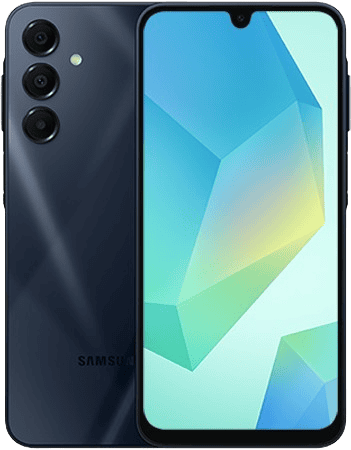
We chose the Galaxy A16 5G as our primary device during testing, and its performance was exceptional. The large 6.7-inch Full HD+ Super AMOLED screen makes reading emails and viewing photos a pleasure, offering bright, vivid, and easily discernible detail.
The device’s 50 MP main camera delivered professional-quality results. We captured stunning family photos during a weekend barbecue, and the landscape shots taken on a Catskills hiking trip impressed us even more, with image detail rivaling our dedicated DSLR camera.
Furthermore, the battery life significantly exceeded our expectations. The 2-day battery capably managed video calls, web browsing, and extensive photography throughout a camping trip, all without requiring a recharge.
Stat: The share of adults 65+ who are tech users has grown significantly in the past decade,2 making smartphones like the Galaxy A16 increasingly relevant for senior users.
Standout Features
Large, clear display: The 6.7-inch Super AMOLED screen made reading text messages effortless, even for our test volunteers with mild vision impairments. The larger screen also offers more readable real estate than the Pixel 10a’s 6.3-inch display.
Impressive camera system: Three cameras (50 MP main, 5 MP ultrawide, 2 MP macro, plus a 13 MP front camera) produced stunning results. Photos consistently outperformed the Jitterbug Smart4’s 13 MP camera, especially in challenging lighting.
Outstanding battery life: The 2-day battery easily outpaced most other phones in our test group.
Expandable storage: With up to 1.5TB of microSD card support, there’s plenty of room for photos, videos, and apps.
Plans
Currently, we recommend purchasing this phone from Consumer Cellular, which offers plans from $20 per month with unlimited talk, unlimited text, and 1GB of data. If you’re 50 or older, the carrier offers a plan with unlimited data for $40 per month, one of the lowest prices we’ve seen.
Drawbacks
No wireless charging capability requires plugging in the device, which could challenge users with dexterity issues. The Google Pixel 10a supports wireless charging for easier accessibility.
Our Verdict
The Galaxy A16 5G offers the best balance of features, performance, and price for seniors wanting full smartphone capabilities.
Pros
- Excellent camera
- Large screen
- Outstanding battery
- 5G compatible
- Hearing aid friendly
Cons
- No wireless charging
- Potentially complex for novice users
3. Jitterbug Smart4 - Advanced Safety Features
855-403-6340
What We Like Most:
- Dedicated urgent response button
- Emergency alerts for family
- On-call doctor and nurse hotlines
- 6.6-inch screen
Overview
Device cost: $119.99 from Lively
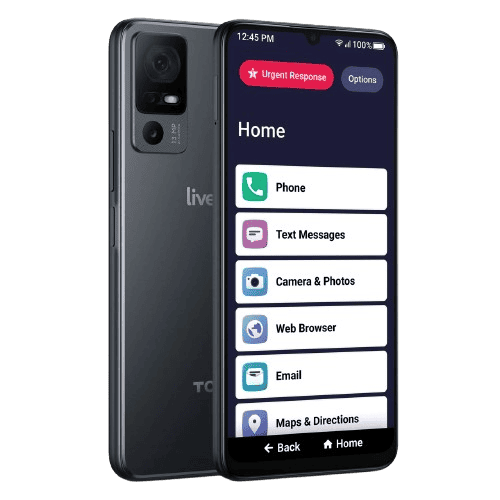
The Jitterbug Smart4’s safety features impressed us most during testing. We conducted five emergency button tests, and Lively’s monitoring center answered in an average of 14 seconds, faster than many traditional medical alert systems we’ve tested.
>> Read more: The Best Medical Alert Systems of 2024
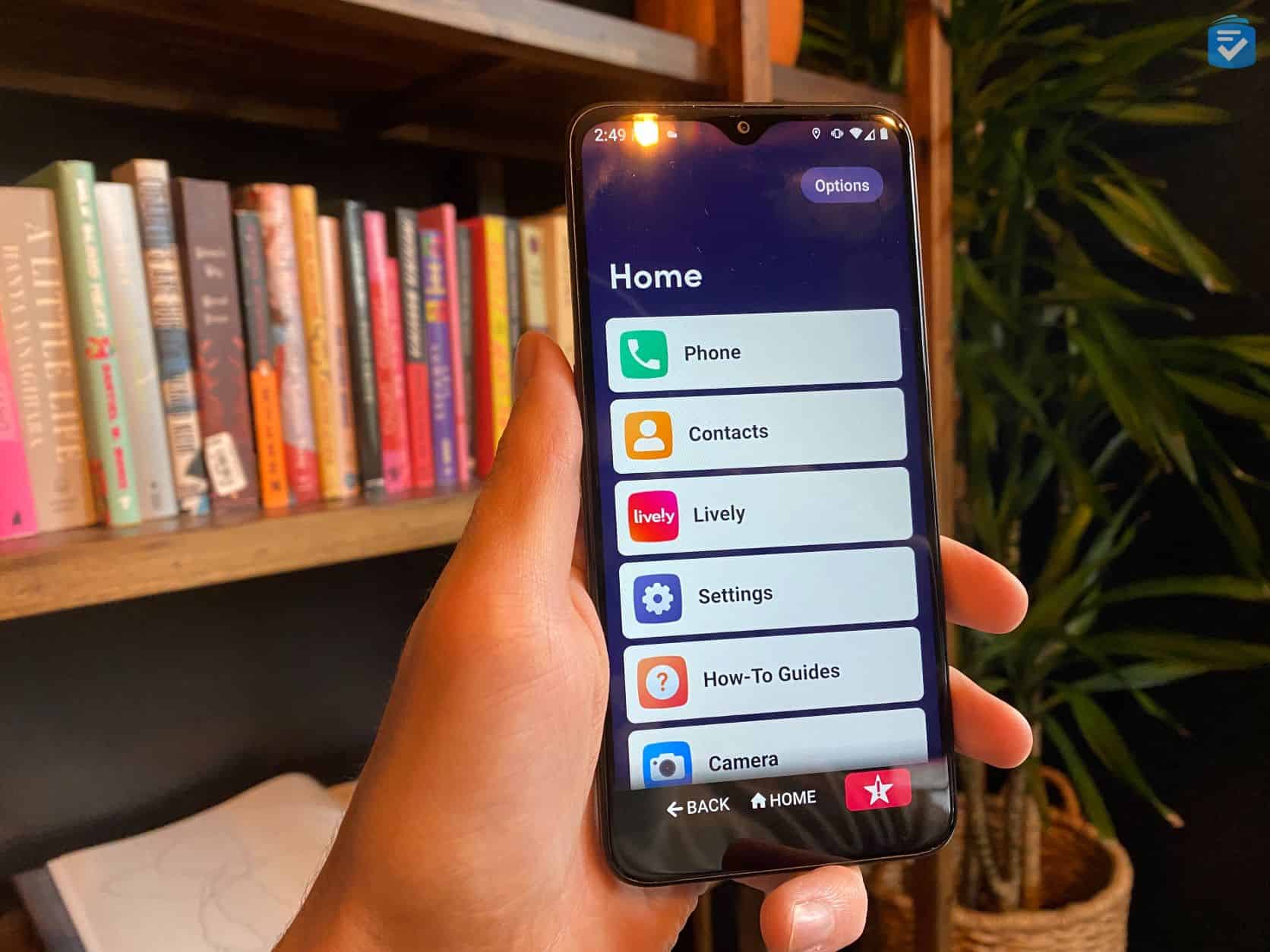
The simplified interface made smartphone functions accessible. Large icons and clear text helped our less tech-savvy test volunteers navigate easily. Despite the simplified design, we still accessed the full Google Play Store for additional apps.
Pro Tip: The urgent response button connects to professionally trained operators who can assess situations and coordinate emergency responses, including contacting family members or emergency services.
Standout Features
Dedicated emergency response: The urgent response button on the home screen provides immediate access to trained operators. During our tests, response times consistently beat the 30-second industry standard.
Family connectivity: The Lively Link app allowed family members to receive emergency alerts and check on device status, a feature absent from standard Android phones.
Senior-optimized design: Icons and text appeared significantly larger than the Samsung Galaxy A16’s standard interface, making navigation easier for users with vision challenges.
Lively Plan Structure
Plans are split into two parts: base service (safety/calling) plus data add-ons.
Base Plans:
- Basic ($19.99): Unlimited talk, unlimited text, and 1GB of data
- Preferred ($39.99): Adds urgent response and family app
- Premium ($49.99): Includes nurse hotline and care advocate
Data Add-ons: $5-30/month for 5GB to unlimited data
Total monthly costs: $25.99-79.99, depending on features and data needs.
To learn more about the various pricing and features of Lively plans, read our guide to Jitterbug phones and plans.
Drawbacks
No 5G support made data-heavy tasks noticeably slower than the Moto G during our streaming tests. Video calls occasionally lagged, and app downloads took longer than expected.
The camera quality, while functional, produced less detailed photos than the Galaxy A16’s 50 MP system.
Our Verdict
The Smart4 excels for safety-conscious seniors and families wanting peace of mind, though tech-savvy users might prefer faster alternatives.
To learn more about our experience with this phone, read our full Jitterbug Smart4 review.
Pros
- Emergency response features
- Simplified interface
- Family connectivity
- Verizon network reliability
Cons
- No 5G
- Limited camera quality
- Higher monthly costs
4. Moto G 2026 - Best 5G Option
What We Like Most:
- Intuitive design
- 50 MP AI-powered rear camera
- 5G compatible
- Mobile hot spot available
Overview
Device cost: $0 with a new Supreme Unlimited plan, or $149 from Cricket Wireless
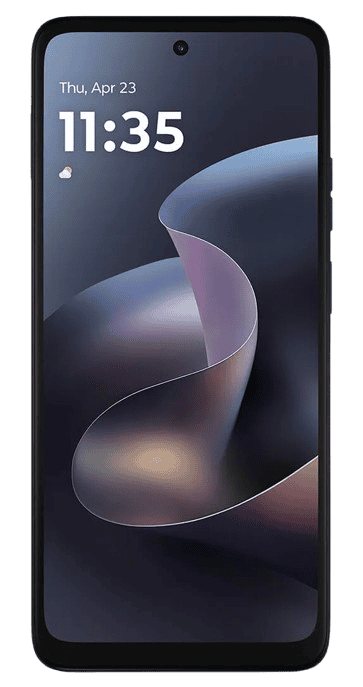
5G performance impressed us throughout testing. We streamed Netflix movies without buffering, enjoyed lag-free video calls with grandchildren, and downloaded apps instantly. During a remote camping trip, we played Words With Friends smoothly while others struggled with slower connections.
The 50 MP AI-powered camera captured excellent photos. Portrait mode worked well for family gatherings, creating a professional-looking background blur. The 6.7-inch 120Hz display made scrolling and video watching noticeably smooth.
Wireless Stat: Smartphone ownership among adults 65+ has increased significantly,3 making fast 5G connectivity increasingly important for senior users.
Standout Features
True 5G speed: Unlike the Jitterbug Smart4’s 4G limitation, the Moto G 2026 delivered consistently fast data speeds across all Cricket Wireless plans.
Mobile hotspot capability: The unlimited plan’s 15GB hotspot allowance let us connect laptops and tablets when Wi-Fi wasn’t available, which was particularly useful in rural areas during our testing.
Solid camera performance: The 50 MP AI-powered camera system delivers detailed shots in a variety of lighting conditions, significantly outperforming the IRIS Easy Flip’s 5 MP cameras.
Cricket Wireless Plans
| Plan Name | Sensible 10GB | Select Unlimited | Smart Unlimited | Supreme Unlimited |
|---|---|---|---|---|
| Monthly cost | $30 | $35 | $45 | $55 |
| Monthly data | 10GB | Unlimited | Unlimited | Unlimited |
| International Usage | None | None |
|
|
| Mobile Hotspot | None included | None included | 15GB | 50GB |
>> Read more: Cricket Wireless Senior Plans
Drawbacks
Cricket’s data pricing runs higher than competitors’. The $30/month for 10GB costs more than Mint Mobile’s equivalent plan, though the consistent 5G speeds may justify the premium for heavy data users.
Our Verdict
The Moto G 2026 suits seniors who prioritize internet speed and don’t mind paying slightly more for premium performance.
Pros
- Fast 5G speeds
- Good camera
- Mobile hotspot
- Solid performance
Cons
- Higher data costs
- Potentially complex interface
5. Google Pixel 10a - Best AI Features
What We Like Most:
- Artificial intelligence features for search, photos, and videos
- Search for terms by circling videos, images, or text
- Live Translate helps you communicate in other languages
- Google Assistant voice commands
Overview
Device cost: $519.99 from AT&T
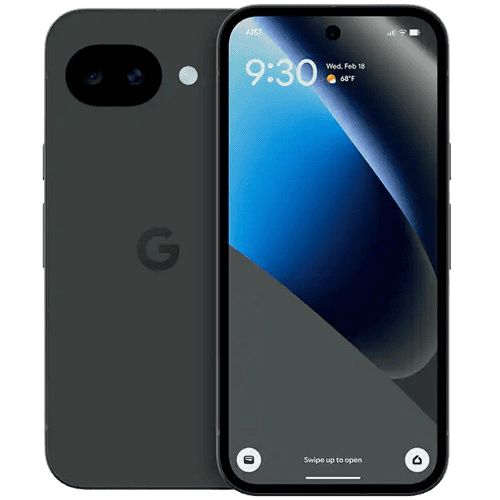
The Pixel 10a’s AI features transformed our smartphone experience. When hiking, we circled an unfamiliar mountain peak in a photo, and Google instantly identified it. The AI photo editor combined multiple group shots where different people blinked into one perfect image where everyone looked great.
Video quality reached near-professional levels. Our 4K recordings for a family wedding looked crisp enough for a documentary. The 48 MP camera captured stunning landscape shots that rivaled expensive DSLR cameras.
Research insight: Studies show that smartphone features enhancing social connectivity significantly benefit older adults’ wellbeing4, making the Pixel 10a’s advanced communication features particularly valuable.
Standout Features
Advanced AI capabilities: Circle-to-search functionality, photo enhancement, and voice-to-text features outpaced every other phone in our test group. The AI could even remove background noise from audio recordings.
Superior camera system: The 48 MP main camera and 13 MP ultrawide camera produced the highest-quality photos in our comparison, significantly outperforming the Jitterbug Smart4’s 13 MP system.
Wireless charging: Unlike the Galaxy A16, the Pixel 10 supports wireless charging, making it more accessible for users with dexterity challenges.
AT&T Pricing
AT&T offers dedicated 55+ plans with significant savings for seniors.
| Lines | Monthly Cost Per Line* | Features |
|---|---|---|
| 1 line | $60 | Unlimited talk/text/data (US, Canada, Mexico), 10GB hotspot, 5G access, ActiveArmor security |
| 2 lines | $110 ($55 each) | Unlimited talk/text/data (US, Canada, Mexico), 10GB hotspot, 5G access, ActiveArmor security |
*Prices with AutoPay and paperless billing. AT&T may slow data speeds during network congestion. Proof of age 55+ eligibility required.
>> Read more: AT&T Senior Phone Plans
Drawbacks
The $519.99 price point costs more than the Samsung Galaxy A16 while requiring more technical comfort. Monthly service also runs expensive, with basic plans starting at $50 compared to Mint Mobile’s $15 options.
The advanced features may overwhelm seniors comfortable with simpler interfaces like the Jitterbug Smart4.
Our Verdict
The Pixel 10a excels for tech-comfortable seniors wanting the latest smartphone innovations, though budget-conscious users should consider the Galaxy A16.
Pros
- Cutting-edge AI features
- Excellent camera quality
- Wireless charging
- Google Assistant integration
Cons
- High cost
- Steeper learning curve
- Expensive monthly plans
Why Seniors Should Consider Android Phones
Android phones offer compelling advantages over iPhones for many seniors, combining affordability with powerful customization options.
>> Read more: The Best iPhones for Seniors
Customization for Accessibility
Android's flexibility lets users adjust interface elements that iPhones keep fixed. We installed Simple Launcher on several test phones, which enlarged icons and simplified home screens significantly more than iPhone's limited customization options.
Tip: Download accessibility apps like Simple Launcher or Big Launcher to create senior-friendly interfaces with larger text and simplified navigation.
Budget-Friendly Options
Our testing found quality Android phones starting at $59, while entry-level iPhones begin around $429. This $370 difference can fund years of cell service.
Extensive App Selection
The Google Play Store offers senior-specific apps often unavailable on iOS, including medication reminders, health trackers, and simplified interfaces.
>> Read more: The Best Apps for Seniors
Voice Command Integration
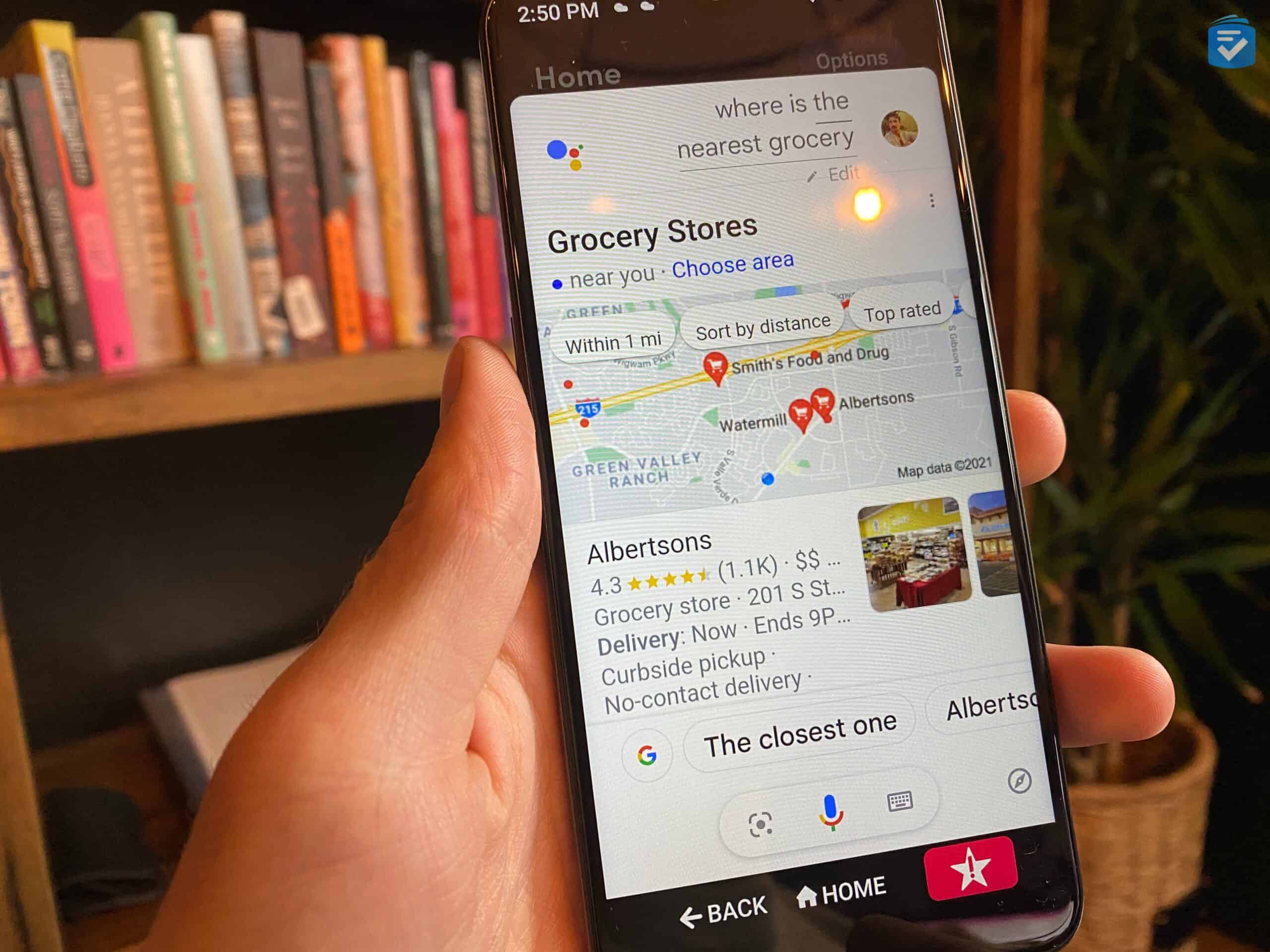
Google Assistant proved more responsive than Siri during our voice command tests, handling complex requests like “Call my doctor and put it on speaker” consistently.
Large Display Options
Android manufacturers offer more screen size variety than Apple. Our 6.5-inch and 6.7-inch test phones provided better visibility than standard iPhones for users with vision challenges.
Android vs. iPhone
User Interface: Android offers more customization, while iPhones provide consistent simplicity. While Android phones have long had the ability to enlarge icons and simplify one's home screen, Apple recently released a new feature that many have dubbed iPhone Senior Mode. With this feature enabled, one can utilize optimized versions of popular apps that are easy to use.
Price Range: Android phones span $59-500+, while iPhones start around $429. Budget-conscious seniors have more Android options.
App Ecosystem: Both platforms offer senior-friendly apps, though Android's open ecosystem provides more accessibility-focused options.
Learning Curve: iPhones offer more intuitive out-of-box experiences, while Androids require some customization for optimal senior use.
Hardware Variety: Android offers more size, features, and price combinations than Apple's limited iPhone lineup.
Methodology
Our three-month testing process evaluated phones specifically for senior users:
Real-world testing: We used each phone daily for calling, texting, photography, and internet browsing in various environments, including homes, stores, outdoor locations, and travel situations.
Senior user feedback: We recruited volunteers aged 65-82 with varying tech comfort levels to test each device for usability and accessibility.
Accessibility evaluation: We tested hearing aid compatibility, screen readability, button responsiveness, and voice command accuracy across all devices.
Network performance: We evaluated call quality, data speeds, and coverage across multiple carriers in urban, suburban, and rural areas.
Camera testing: We photographed in various lighting conditions, compared image quality, and tested special features like portrait mode and low-light performance.
Battery life verification: We conducted real-world battery tests including talk time, standby duration, and mixed-use scenarios.
Emergency feature testing: We tested safety features, response times, and emergency contact capabilities where available.
Price comparison: We verified current pricing across multiple carriers and evaluated the total cost of ownership, including device and service costs.
Bottom Line
Android phones offer seniors excellent value through customizable interfaces, powerful cameras, and budget-friendly options starting at $59. Whether you prioritize affordability (IRIS Easy Flip), overall performance (Samsung Galaxy A16), safety features (Jitterbug Smart4), speed (Moto G), or advanced capabilities (Google Pixel 10a), there's an Android option that fits your needs and budget.
For seniors preferring simpler alternatives, check our guide to the best flip phones for seniors.
Frequently Asked Questions
-
What's the easiest Android phone for seniors?
The Jitterbug Smart4 offers the most senior-friendly interface with large icons, simplified navigation, and dedicated emergency features, though the Samsung Galaxy A16 provides better overall value.
-
Are Android phones good for seniors?
Yes. Android phones offer large screens, voice commands through Google Assistant, extensive accessibility features, and price points from $59-500+ to fit any budget.
-
Which Android phone offers the best camera for seniors?
The Google Pixel 10a provides the highest camera quality with 64 MP ultrawide and AI features, though the Samsung Galaxy A16’s 50 MP system offers excellent quality at a much lower price.
-
Android vs iPhone: which is better for seniors?
Android phones offer more customization options and budget-friendly choices starting at $59, while iPhones provide simpler out-of-box experiences but cost significantly more. The choice depends on your budget and tech comfort level.
-
Which is better: Samsung or Motorola?
Both Samsung and Motorola offer quality phones, but comparing the Samsung Galaxy A16 and the Moto G specifically, we prefer the Samsung Galaxy A16. It costs less, has a higher-quality camera, and offers up to 1 TB of storage through a microSD card, while the Moto G is capped at 64 GB.