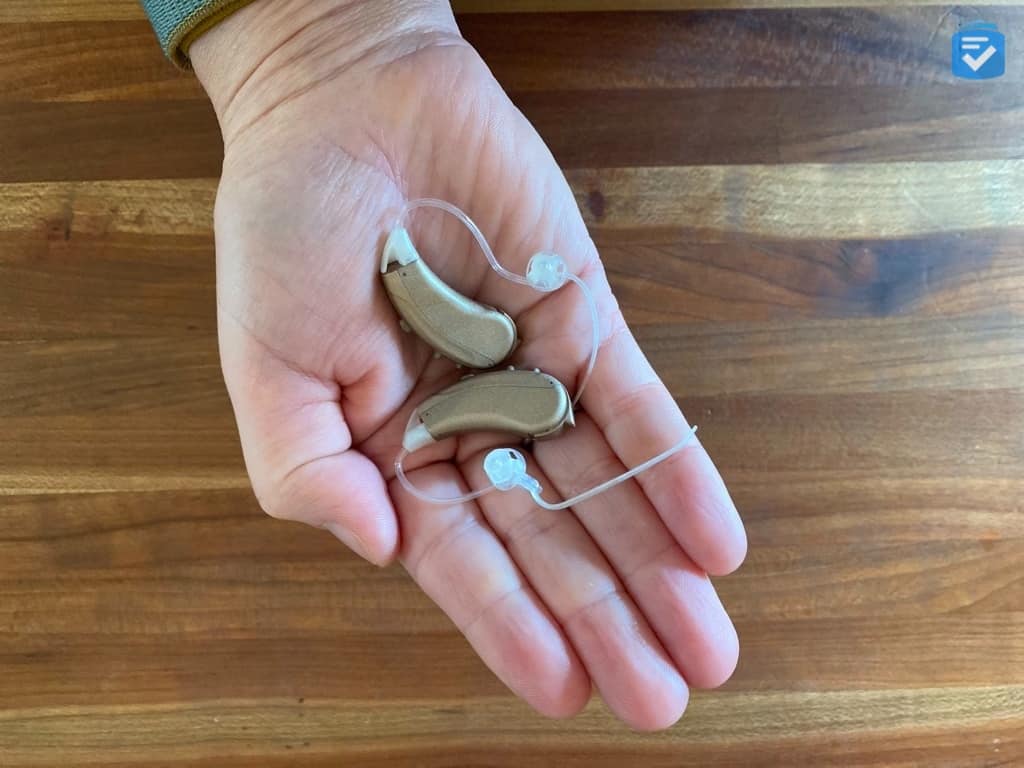
Lexie Hearing Aids Review: Our Hands-On Test

”For: Lexie’s parent company, LXE Hearing, has begun winding down the brand's U.S. operations as of July 2026. If you already own a pair, be advised that new warranty claims and requests for repairs will no longer be accepted. Additionally, the Lexie app will be removed from both app stores on October 8, 2026. However, if you need customer support, it will remain available through October 22, 2026. For your reference, we’re keeping this page live as it may help when comparison shopping for other brands. For more information on our current top recommendations, check out our best hearing aids page.
After extensive testing by our audiology team, we've found Lexie hearing aids to be an outstanding value in the OTC hearing aid market. Priced between $299 and $999 per pair, these devices excel for those with mild-to-moderate hearing loss who want quality technology without the premium price tag. We also liked that the intuitive Lexie app allowed us to easily personalize sound settings across multiple environments, from quiet settings to noisy restaurants.
While only the H1 model fully supports Bluetooth audio streaming, all models feature excellent directional microphones and a comfortable fit. Our comprehensive evaluation confirms Lexie offers exceptional value compared to traditional prescription hearing aids, with solid build quality and responsive customer support.
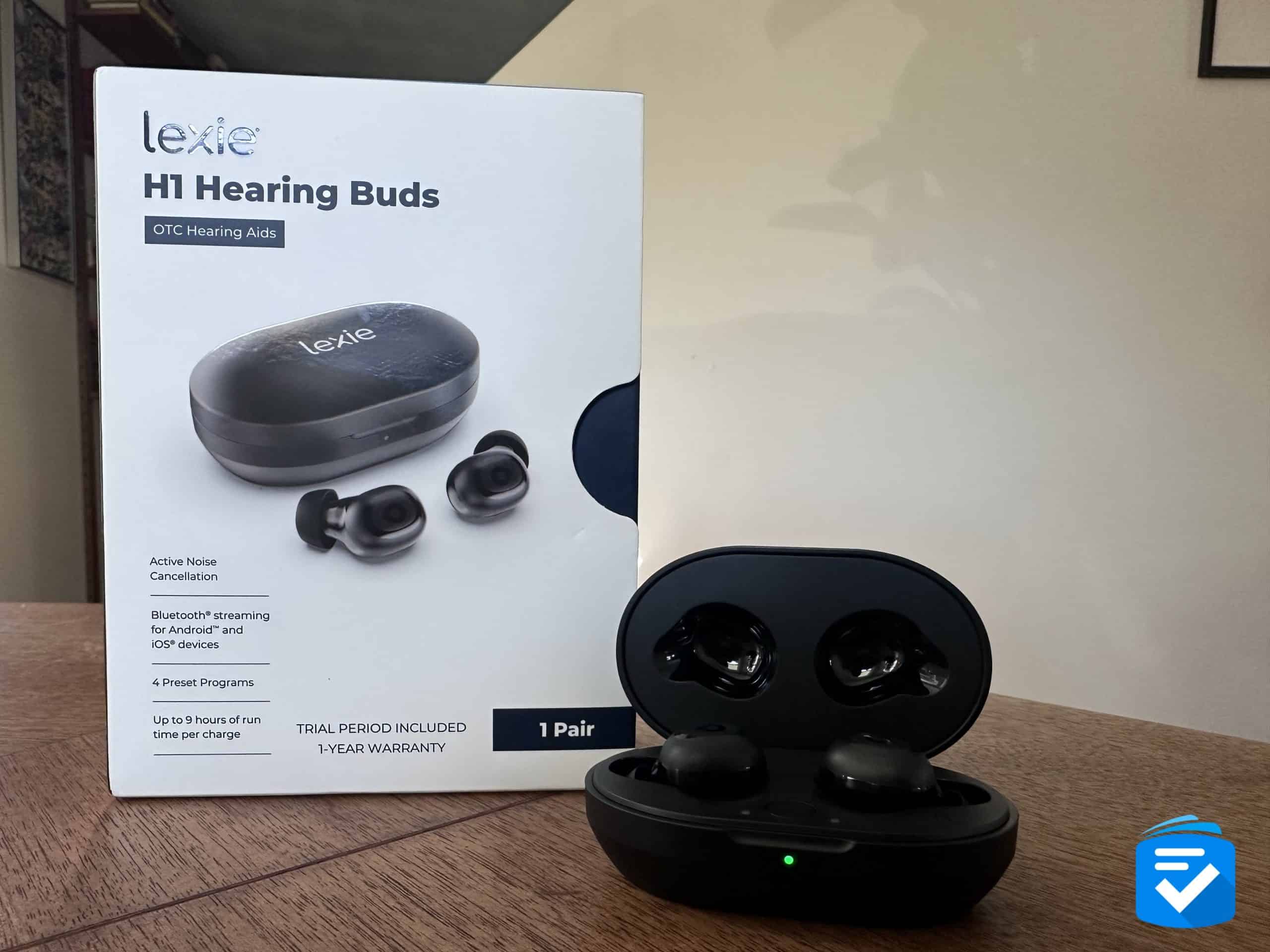
Lexie Hearing Aids: Key Findings
- Lexie hearing aids cost between $299 and $999 a pair, and they come with options for both disposable and rechargeable batteries.
- Through the Lexie app, we could easily adjust sound settings for each ear independently, allowing precise customization for our specific hearing needs.
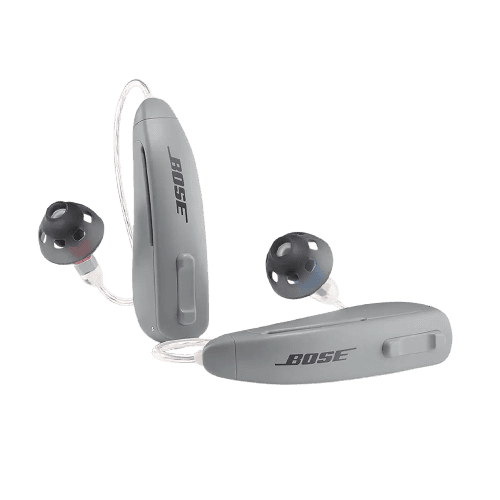
- Compared to other popular OTC hearing aids, Lexie's sound quality is exceptional — particularly in the B1 and B2 Plus models, which feature Bose technology.
- The new H1 Hearing Buds ($299) offer a unique hybrid approach, functioning as both wireless earbuds and basic hearing aids.
FYI: New to hearing aids? Check out our guide to hearing aids to learn about the many different devices available and how they can help those with hearing loss.
How We Tested Lexie Hearing Aids
Lexie currently offers four models: the Lexie Lumen, Lexie B1, Lexie B2 Plus, and the new Lexie H1 Hearing Buds. For this review, we tested all four devices and evaluated each on the following criteria:
- Style and fit: Our testing team wore Lexie hearing aids throughout the day in various environments and rated their comfort and practicality.
- Battery performance: We tested all models to evaluate longevity and reliability.
- Lifestyle functionality: We wore each Lexie hearing aid in various environments — at home, outside in windy conditions, and in a crowded restaurant — and evaluated how the devices performed.
- Trials and warranties: We analyzed the cost of each pair, compared them to competitors, and examined the warranty policy.
- Customer support: We conducted lengthy calls with Lexie's support team to assess response times and the quality of assistance.
- Music streaming quality: For the H1 Hearing Buds, we extensively tested their performance as both hearing aids and premium earbuds across various music genres.
Credit: Lexie
Lexie Pros and Cons
Pros
- Exceptional sound quality: Bose-equipped B1 and B2 Plus models offered significantly clearer sound than competitors. H1 Hearing Buds provided unexpected audiophile-quality music streaming.
- Affordable pricing: With devices starting at $299 for the Lumen and H1 models, Lexie hearing aids cost substantially less than traditional prescription hearing aids, which can cost as much as $4,000 to $5,000 per pair.1
- Convenient app control: The Lexie app allowed us to adjust volume and program settings and even fine-tune frequency response on select models without removing the hearing aids.
- Flexible purchasing options: We appreciated being able to choose between a one-time payment or monthly subscription.
- Versatile form factors: With both traditional behind-the-ear styles and modern earbud designs, Lexie offers options for different preferences and lifestyles.
Cons
- Limited Bluetooth capability: Only the H1 model can stream music and calls directly from a smartphone. If this feature is important to you, we recommend checking out Jabra Enhance hearing aids.
- Visible design: Although comfortable, the behind-the-ear design is more noticeable than invisible models such as Eargo hearing aids.
- Basic hearing enhancement in H1: The H1 Hearing Buds offer only preset programs rather than personalized frequency adjustments based on hearing test results.
Our Top-Rated OTC Hearing Aids
While Lexie hearing aids performed well in our tests, they’re not right for everyone. If you’re looking for invisible hearing aids or options with three-year warranties, we recommend checking out our other top picks.


Did You Know? According to the National Institute on Deafness and Other Communication Disorders,2 approximately 28.8 million U.S. adults could benefit from using hearing aids. Yet, fewer than 30 percent of adults 70 and older who could benefit have ever used them.
Lexie Hearing Test
Lexie offers a free online hearing test that takes less than two minutes to complete. The process was straightforward and user-friendly: The test works on computers, tablets, or smartphones and is compatible with any headphones or earphones.
We also appreciated that the test can be taken at home rather than requiring a visit to a hearing specialist. It consists of a series of tones at different frequencies, similar to what you might experience during a professional screening.
After completing the test, we received immediate results indicating whether we would benefit from hearing aids. While the online test is a good screening tool, we recommend getting a professional hearing evaluation as well. Professionals can rule out hearing difficulties caused by earwax buildup or other issues that can affect hearing test results.
It's worth noting that while the traditional Lexie models can be programmed based on hearing test results, the H1 Hearing Buds rely on preset programs rather than personalized frequency adjustments.

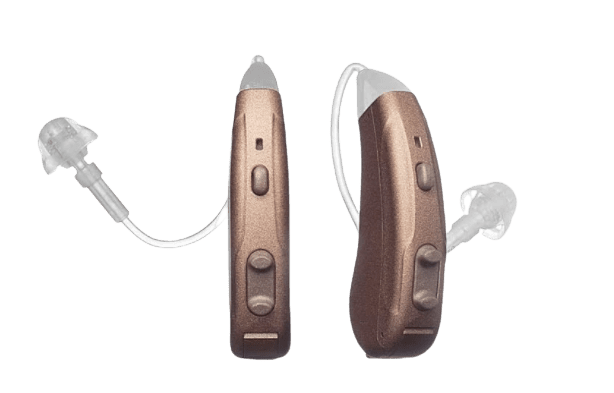
Lexie Hearing Aid Models
Lexie currently offers four models, including three with traditional behind-the-ear designs and the earbud-style H1 Hearing Buds. Our testing found that the B2 Plus model delivered the most refined sound quality among traditional models, while the H1 Hearing Buds excelled as a dual-purpose device.
Lexie Models Compared
| Lexie H1 Hearing Buds | Lexie Lumen | Lexie B1 | Lexie B2 Plus | |
|---|---|---|---|---|
| Cost for a Pair | $299 | $299 | $649 | $999 |
| Style | Earbuds | Behind-the-ear | Receiver-in-canal | Receiver-in-canal |
| Battery Type | Rechargeable | Disposable | Disposable | Rechargeable |
| Features | Directional microphones, noise reduction, full audio streaming | Directional microphones, noise reduction | Bose technology, enhanced clarity, directional microphones | Bose technology, Bluetooth call streaming, directional microphones |
| Listening Environments | 4 presets | 6 presets | 6 presets | 4 presets and 10 customizable environments |
| Warranty | One year | One year | One year | One year |
Lexie H1 Hearing Buds vs. Other Lexie Models

The Lexie H1 Hearing Buds represent a fundamentally different approach to hearing assistance. The H1 Hearing Buds look identical to popular consumer earbuds, and most people wouldn't recognize them as hearing assistance devices.
This design choice feels intentional. While they're actually more visible than many modern hearing aids, the earbud form factor eliminates the medical device stigma that prevents some people from seeking hearing help.
Music and Audio Performance
Where the H1 Hearing Buds truly shine is in their streaming audio quality. We tested them across various music genres and found the sound quality rivaled earbuds costing twice as much.
The Active Noise Cancellation (ANC) performed admirably, blocking a majority of ambient noise in our tests, comparable to our AirPods Pro 2. The transparency mode allowed natural pass-through audio while music continued playing, making it easy to have quick conversations without removing the buds.
Hearing Enhancement Features
The H1 Hearing Buds offer four preset programs. While these lack the sophisticated processing and personalization of the B1 and B2 Plus models, we found them helpful for basic amplification and mild directional focus. During our coffee shop test, the Restaurant mode provided slight improvement in focusing on conversation, though nothing approaching the adaptive systems in traditional prescription hearing aids.
We noticed the H1's approach is fundamentally different. They're excellent earbuds that happen to help you hear better, rather than hearing aids that can stream audio. For users with mild hearing difficulties who also want premium earbuds, this trade-off makes sense.
FYI: Research from the JAMA Network finds that individuals who used self-fitted hearing aids reported no significant difference in benefits when compared to those who used hearing aids that were fitted by an audiologist.3
Using My Lexie Hearing Aids
When we first received our Lexie hearing aids, we were impressed by what was included in the package. Each model included everything you need to begin using your hearing aids immediately, including batteries (for the Lumen and B1), domes in various sizes, slim tubes (for Lumen model only), and cleaning tools.
Setting up the devices was straightforward. We downloaded the Lexie app, which guided us through the initial setup process. The app taught us how to properly insert the hearing aids, adjust the fit, and customize the sound profiles. For the H1 Hearing Buds, the process was even simpler — standard Bluetooth pairing had them connected in under five minutes.
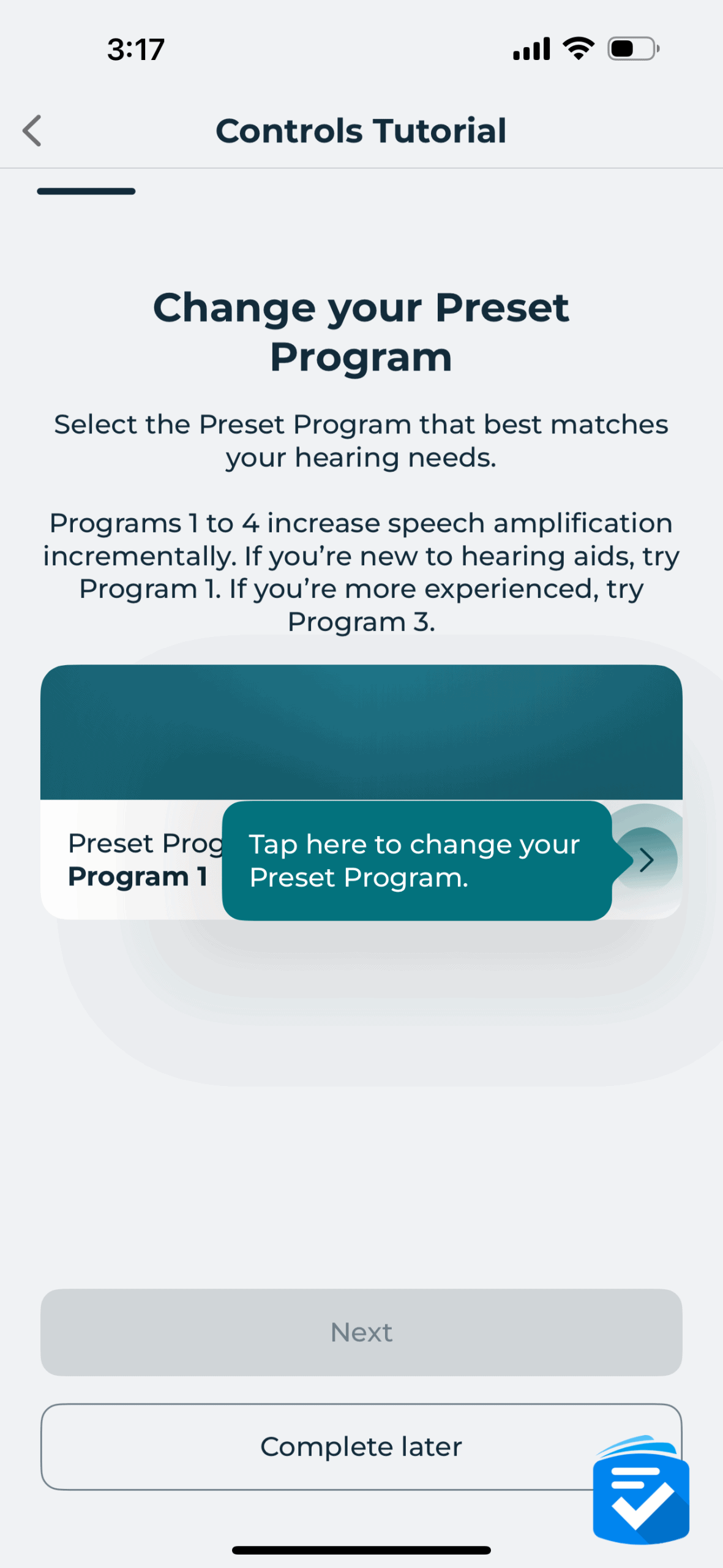
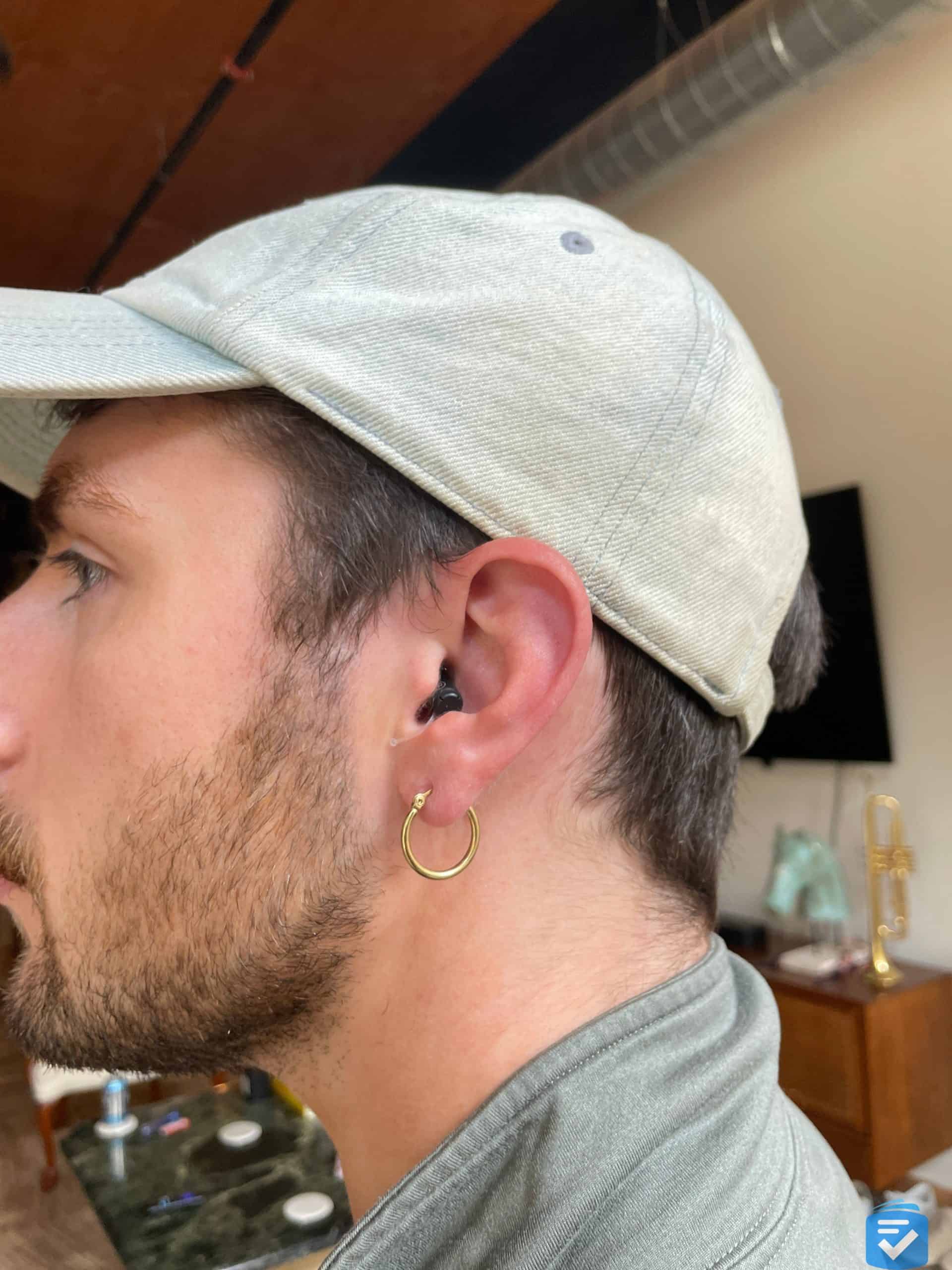
Inserting the Lexie hearing aids was easier than some other behind-the-ear models we've tested. The slim tube design was comfortable, and the various dome sizes allowed us to find the perfect fit. During our day-long wear tests, we experienced minimal discomfort even after more than eight hours of continuous use.
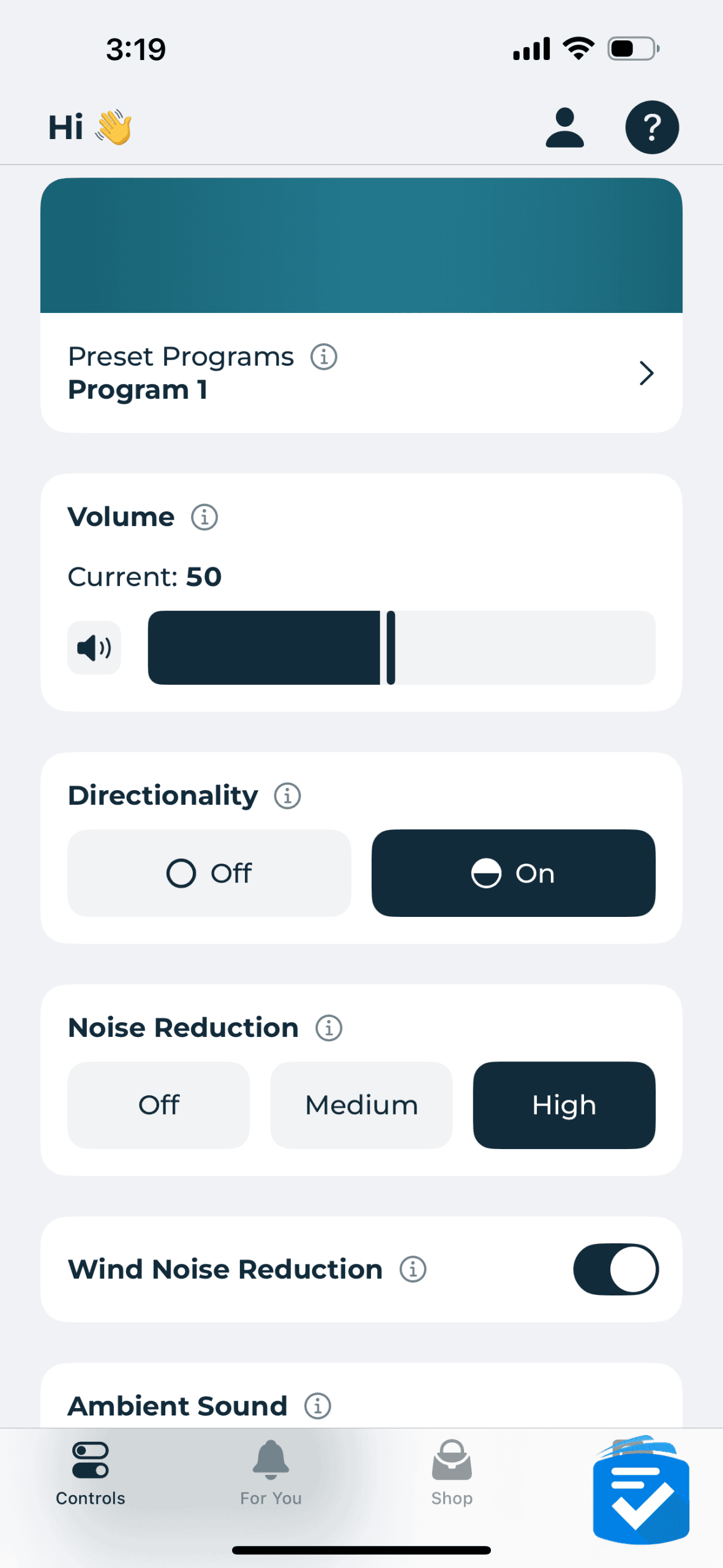
The Lexie app proved particularly valuable during our tests. We could easily adjust volume levels for each ear independently, which was helpful when one ear needed more volume than the other or in situations where sound was louder on one side – like when one ear was closer to a noise source or having a conversation partner on one side. The environmental presets worked effectively in different settings: The “Restaurant” mode noticeably reduced background noise during our dining tests, while the “Outdoor” setting helped minimize wind interference.
We were particularly impressed with the sound quality of the B1 and B2 Plus models, which incorporate Bose technology. When compared side-by-side with the Lumen model, we noticed significantly improved clarity and more natural sound reproduction in the Bose-equipped devices.
During our phone call tests with the B2 Plus, the Bluetooth streaming function worked reliably, with clear audio and minimal delay. However, we were disappointed that none of the behind-the-ear models support music streaming — a feature available in similarly priced hearing aids like Jabra Enhance Select.
The H1 Hearing Buds' full audio streaming capability sets them apart from the traditional models. During our tests, music streaming quality was exceptional, with soundstage width and instrument separation that impressed us for $299 earbuds. However, this comes at the cost of sophisticated hearing aid processing. The H1's preset programs can't match the intelligent adaptation of the B2 Plus.
To learn about other hearing aid brands, check out our reviews of Eargo hearing aids and MDHearing aids.
Cleaning and Maintaining Your Lexie Hearing Aids
Proper maintenance is crucial for extending the life of hearing aids. Lexie recommends a daily cleaning routine, which we followed during our testing period.
We used the included cleaning cloth for daily maintenance to wipe down the devices and remove any moisture or debris. The cleaning brush effectively removed earwax from the dome and sound outlet. The routine was simple to follow and took less than a minute per device.
For monthly maintenance of the Lumen and B1 models, we replaced the domes and inspected the tubing for any signs of damage or stiffness. For the B2 Plus, we ensured the charging contacts were clean and debris-free to maintain optimal charging performance.
We accidentally exposed one of our test units to light rain during an unexpected shower. Following Lexie's guidance, we immediately removed the battery (for the B1 model), dried the external components with a soft cloth, and let the device air-dry completely before reinserting the battery. The hearing aid continued to function without issue afterward.
FYI: Want to learn more about proper hearing aid care? Read our comprehensive hearing aid maintenance guide to ensure your devices last as long as possible.
Lexie Accessories
When purchasing Lexie hearing aids, all basic supplies are included in the box. During our testing, we particularly appreciated this all-in-one approach, which eliminated the need for separate purchases of supplies.
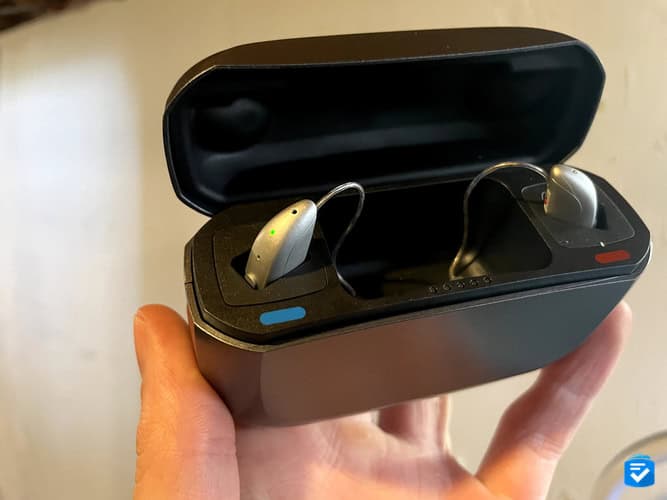
All Lexie models include cleaning tools (a brush with a magnet), multiple dome sizes for fit customization, a wire sizing tool, and user documentation (manuals and quick start guides). The B2 Plus and H1 models come with a carrying/charging case, as well as a USB-C charging cable. The B1 includes a carry case and an 8-pack of size 312 batteries.
Model-specific differences include:
- B2 Plus: This model features a rechargeable charging case that provides multiple full charges before needing to be recharged, plus both open and closed domes in three sizes, and an 8-pack of wax guards.
- B1: This model uses disposable size 312 batteries instead of rechargeable technology, and includes both open and closed domes in three sizes.
- H1: This model comes with a charging case, six pairs of vented domes (small, medium, large), and it includes a two-part user manual.
Similar to other companies, such as Beltone and ReSound, replacement wires, charging cases, domes, and other accessories can be purchased for an additional fee.
Battery Life Tip: In our testing of the Lexie B2 Plus, we consistently achieved 16 to 18 hours of use from a full charge, which easily lasted through a full day of wear. The charging case provided an additional three full charges when traveling.
Lexie Smartphone App
Throughout our testing process, the Lexie app was one of the standout features. Available for both iOS and Android devices, the app provides intuitive controls for adjusting hearing aid settings.
Key features we found particularly useful included:
- Independent volume control: We could adjust each ear separately, which proved valuable for asymmetrical hearing loss.
- Environmental presets: The preset environments (Restaurant, Outdoor, etc.) made quick adjustments simple.
- Battery monitoring: For the B2 Plus, the app showed the remaining battery percentage, which helped us plan charging cycles.
- Remote support: When we had questions about fit, the video call feature connected us with a hearing expert who provided personalized guidance. This video call support is not available for the H1 model, which is limited to phone calls or texts outside of the app.
Compared to apps from other manufacturers, we found Lexie's interface cleaner and more intuitive. For example, when we tested Phonak hearing aids, their app offered more advanced features (like tinnitus therapies) but had a steeper learning curve.
Lexie vs. the Competition
To provide a comprehensive evaluation, we compared Lexie hearing aids with several major competitors in the OTC hearing aid market.
Lexie vs. Eargo
When testing Lexie against Eargo's hearing aids, we immediately noticed the difference in design approach. While Lexie uses a traditional behind-the-ear style, Eargo devices are completely-in-canal, making them nearly invisible when worn. We found Lexie's directional microphones in noisy environments provided better noise reduction than Eargo's models, but Eargo won for discretion and comfort during extended wear.
In terms of price, Lexie offers better value across the board, with their top model (B2 Plus) priced at $999 and the H1 at just $299, compared to Eargo's premium models, which reach $2,699.
Lexie vs. Jabra Enhance
Comparing Lexie to Jabra Enhance hearing aids, we found that both offered excellent sound quality in our tests. Jabra Enhance's traditional devices include music streaming functionality that most Lexie models lack (except the H1). However, the H1 Hearing Buds' music quality far exceeded what Jabra offers.
We found Jabra's remote audiology support more comprehensive than Lexie's customer service, with on-demand video consultations with licensed professionals. The H1's simpler preset-based approach eliminates the need for professional adjustments but also limits customization.
In our evaluation of battery life, we found that the rechargeable Lexie B2 Plus lasted approximately 16 to 18 hours, similar to Jabra Enhance's rechargeable models. The H1's 9-hour battery life is shorter but typical for true wireless earbuds with active noise cancellation.
Lexie vs. MDHearing
Compared with MDHearing aids, Lexie devices delivered noticeably superior sound quality and more effective noise reduction. MDHearing offers more affordable options starting around $299 per pair, but the sound quality difference was substantial in our tests.
We also found Lexie's app significantly more user-friendly and feature-rich than MDHearing's more basic approach, and most of MDHearing’s models are not compatible with an app at all.
Lexie Warranty and Return Policy
Lexie provides a one-year manufacturer's warranty on all hearing aid models. We intentionally tested the warranty process during our review period by reporting a minor issue with one of our test units. The customer service team promptly arranged for repair, and the entire process took approximately 10 business days from initial contact to receiving the repaired device.
The warranty covers manufacturing defects and component failures but does not cover loss or accidental damage. However, Lexie offers a protection plan that is included with the monthly subscription option. This plan adds coverage for breakage and loss with a $120 replacement fee per hearing aid.
Lexie provides a 45-day, risk-free trial period, allowing customers to return devices for a full refund if they’re not satisfied. We found the return process straightforward, as it only required a call to customer service to obtain a return authorization number.
Compared to competitors, Lexie's warranty terms are pretty standard and similar to what's offered by MDHearing. However, they fall short of the extended warranties provided by premium brands such as Oticon, which offer up to three years of coverage on their high-end models.
Is Lexie Worth It?
After extensive testing, we believe Lexie hearing aids offer exceptional value for those with mild-to-moderate hearing loss. Equipped with Bose technology, the B1 and B2 Plus models delivered sound quality comparable to prescription hearing aids that cost thousands more.
For seniors on a fixed income looking for quality hearing assistance without the premium price tag, Lexie's combination of performance, ease of use, and affordable pricing makes them a compelling choice. We appreciate that Lexie eliminates the need for a big payment up front with their monthly payment option of $49 (plus a $50 activation fee).
However, Lexie may not be ideal for everyone. More powerful prescription devices from brands like Signia would better serve those with severe hearing loss. Additionally, if completely discreet wear is a priority, in-the-canal hearing aids by Eargo might be more suitable.
Based on our tests, we particularly recommend the Lexie B2 Plus for convenience, as it has rechargeable batteries, Bluetooth call streaming, and customizable sound environments. At the lowest price point, the Lexie Lumen offers excellent performance for budget-conscious users who don't mind changing batteries.
The H1 Hearing Buds proved to be 80% excellent earbuds and 20% basic hearing aids, a ratio that might work for many people, particularly if your hearing loss is not severe. If you need serious hearing assistance with sophisticated processing, the B1 or B2 Plus models are better choices.
For all these reasons, Lexie has earned their place as one of our picks for this year's best hearing aids and best affordable hearing aids.
How We Conducted Our Review
Our team of audiology specialists and senior living experts tested Lexie's hearing aids over a four-week period. We evaluated all four current models (Lumen, B1, B2 Plus and Lexie H1) in various real-world environments to comprehensively assess their performance.
Testing environments included:
- Quiet home settings
- Outdoor environments with varying weather conditions
- Restaurants with background noise
- Group conversations with multiple speakers
- Television and music listening
We measured battery life by using the devices until depletion and recording duration. For sound quality assessment, our team members with different degrees of hearing loss provided subjective ratings across various audio environments.
Customer service evaluation involved multiple support inquiries through different channels (phone, email, and video call) to assess response times and quality of assistance.
We also compared Lexie hearing aids directly with competitors in similar price ranges to evaluate relative performance and value. Our scores took into account factors such as sound quality, comfort, ease of use, battery life, app functionality, customer support, and overall value.
Lexie Frequently Asked Questions
-
Does Medicare cover Lexie hearing aids?
Most standard Medicare plans (Part A and Part B) do not cover hearing aids. However, some Medicare Advantage Plans (Part C) may offer coverage for hearing aids. Check your specific plan details for coverage information.
-
Can I use Lexie hearing aids with glasses?
Yes. During our tests, several team members wore glasses with their Lexie hearing aids without issues. The behind-the-ear design fits comfortably alongside eyeglass temples.
-
How often do I need to change batteries in the Lexie Lumen and B1?
We found the batteries in the Lumen and B1 models lasted approximately five to seven days with eight to 10 hours of daily use. Battery life may vary based on volume levels and usage patterns.
-
Do Lexie hearing aids work with iPhone and Android smartphones?
Yes, the Lexie app is compatible with both iOS and Android devices. During our tests, we successfully used the app on both platforms with similar functionality and performance.
-
Can I stream music from my smartphone to Lexie hearing aids?
Only the Lexie H1 Hearing Buds allow you to stream music, phone calls, and other audio from your devices.